Tesla Battery Replacement Cost 2026: Complete Guide of All Models Battery Prices and Warranty
Comprehensive expert guide on Tesla battery replacement costs for all models in 2026, including warranty coverage, out-of-warranty pricing, third-party options, and factors affecting battery lifespan. Get real costs for Model 3, Y, S, and X replacements.

Trishul D N
Founder & Tech Enthusiast

If you've owned a Tesla for more than a few years or are considering purchasing a used model, the question of battery replacement cost has probably crossed your mind. The battery pack is the most expensive component in any electric vehicle, and naturally, the prospect of replacing one generates anxiety for prospective owners and intrigue for those contemplating long-term ownership. As we move through 2026, we finally have concrete data on what battery replacements actually cost, what warranty coverage looks like, and what factors determine whether you'll face this expense.
This comprehensive guide cuts through speculation and provides you with authoritative information about Tesla battery replacement costs, backed by real 2026 pricing data, warranty realities, and practical guidance for making informed decisions about your Tesla investment.
Understanding Tesla Batteries: Why They Matter So Much
Before discussing cost, it's essential to understand what Tesla batteries actually are and why they represent both the most advanced and most expensive component in a Tesla vehicle.
A Tesla battery pack isn't a simple collection of cells wired together. It's a sophisticated engineered system comprising thousands of cylindrical cells (in 4680-equipped vehicles) or prismatic cells (in earlier models), interconnected through a complex thermal management system, with multiple layers of electronics managing charge flow, heat dissipation, and safety protocols. The battery pack also includes the battery management system (BMS)—essentially a computer that optimizes performance and longevity.
The engineering sophistication exists because battery packs are subjected to extreme conditions. They handle rapid charging (depositing massive amounts of energy very quickly), extreme discharge rates (delivering power for acceleration), temperature fluctuations (-20°F to 120°F+), and thousands of complete charge-discharge cycles. The sophistication that keeps everything working also makes these systems expensive when replacement becomes necessary.
The critical point: Tesla batteries are designed to outlast the vehicle itself in most cases. A typical Tesla battery maintains 80-90 percent of its original capacity after a decade of normal use. Battery failure before five years is statistically rare. However, we're now reaching the point where out-of-warranty battery replacements are actually happening, providing real data about costs rather than theoretical speculation.
2026 Tesla Battery Replacement Costs by Model
This is the section you probably came here to find: what actually happens when you need a new battery pack in 2026. The following figures represent real costs reported by owners, Tesla service centers, and independent repair shops across North America.
Tesla Model 3 Battery Replacement Cost
The most affordable Tesla to own is also the most affordable to replace when it comes to batteries. A standard range Model 3 battery replacement runs between $4,500 and $5,500, while a long-range or performance battery typically costs $5,500 to $6,500 at Tesla service centers.
These figures represent a decline from 2024-2025 estimates, reflecting the downward pressure on battery costs as manufacturing scales and competition increases. Tesla has also gradually adjusted their pricing strategy in 2026, moving toward cost-plus models that more directly reflect their actual manufacturing expenses rather than the premium pricing of earlier years.
However, here's where the story becomes nuanced. A Model 3 owner in Portland reported a replacement cost of $5,100 for a standard-range battery in early 2026, while another owner in Dallas paid $6,200 for the same service. The regional variation reflects different service center pricing structures, local labor costs, and supply chain factors affecting parts availability in different regions.
For long-range Model 3 batteries, expect to budget toward the higher end of the range. One owner who required a replacement for a 2019 Model 3 Long Range reported being quoted $6,300 at her local Tesla service center before the work was completed at that price. Another owner in New England paid $5,900 for an equivalent replacement through a third-party EV service specialist.
Tesla Model Y Battery Replacement Cost
The Model Y, Tesla's most popular vehicle globally, naturally represents the largest number of potential battery replacement cases. Standard range Model Y battery replacements run $5,200 to $6,200, while long-range and performance variants typically cost $6,500 to $7,800 depending on capacity and configuration.
A notable trend in 2026 is that Model Y battery replacement costs have remained relatively stable or declined slightly compared to 2025, despite inflation in other automotive service categories. This stability reflects genuine manufacturing efficiency improvements and competitive pressure in the EV battery replacement market.
One Model Y owner from Colorado reported a 2022 Model Y battery replacement that was quote at $7,100 at the local Tesla service center. When she inquired about third-party options, an independent EV specialist quoted $5,800 for the same service using a refurbished battery pack and $4,900 for a rebuilt pack with warranty.
The performance Model Y, with its larger battery capacity, pushes toward the higher end of this range. Tesla's labor rates for these replacements are typically $200-250 per hour, and a complete battery replacement usually requires 12-18 hours of labor, resulting in labor costs alone of $2,400-4,500.
Tesla Model S Battery Replacement Cost
The flagship sedan's battery replacement represents one of the most expensive single-component repairs on any vehicle. A standard 75D battery pack replacement for an older Model S runs approximately $7,500 to $8,500, while larger capacity batteries (100D or 100D performance variants) cost $8,500 to $10,500 at Tesla service centers.
The Model S received several battery generation updates over its production history, which creates complexity in replacement scenarios. A 2013 Model S requiring a battery replacement faces different supplier options and compatibility questions than a 2018 Model S. For early-generation vehicles, the battery replacement conversation often extends beyond price to include whether you're sourcing original Tesla packs, refurbished packs, or rebuilt units with different warranty implications.
One Model S owner from California reported needing a battery replacement in late 2025 for her 2012 Model S (now over 12 years old). Tesla quoted her $9,200 for a replacement pack. She ultimately chose an independent specialist who installed a refurbished battery pack with a 5-year warranty for $6,500. Her willingness to accept refurbished parts reflected the reality that most Model S owners nearing or beyond a decade of ownership view a battery replacement as a major decision point about vehicle future value.
Tesla Model X Battery Replacement Cost
The Model X, with its larger size and more powerful motors, requires substantial battery capacity to deliver its performance and range. Battery replacement costs for the Model X range from $8,500 to $11,000 at Tesla service centers, with performance variants and larger capacity packs pushing toward the higher end of this range.
Model X battery replacements represent some of the most expensive single-item replacements across the Tesla lineup. The added complexity of the Model X's power requirements, combined with its advanced thermal management system, means that replacements typically involve more than just the battery pack itself—often including updated cooling components and revised mounting hardware.
A Model X owner from Massachusetts reported a battery replacement quote of $10,800 from Tesla in 2026 for a 2015 Model X 100D. She explored third-party options and found an independent specialist willing to install a refurbished battery pack for $7,200, which would have delivered similar performance with a 3-year warranty. Her ultimate decision hinged on the remaining value of her vehicle—at $25,000-28,000 on the used market, the $10,800 battery replacement represented 40 percent of her vehicle's value, making the decision economically marginal.
Understanding Tesla's Battery Warranty: What's Actually Covered
The battery warranty represents the most important factor in your battery replacement cost calculation. If your vehicle remains under warranty, replacement is likely free. Once warranty expires, the full cost becomes your responsibility. Understanding the nuances of what's covered and what constitutes voiding warranty is essential.
Factory Warranty Coverage by Model and Year
Tesla's battery warranty has evolved over the company's history, reflecting both improving battery technology and changing market conditions. The standard structure covers degradation beyond 70 percent of original capacity over a defined period.
For vehicles manufactured from 2021 onward, Tesla typically offers 8-year/120,000-mile battery warranty (whichever comes first) for Model 3 and Model Y, and 8-year/120,000-mile for Model S and Model X with certain exceptions. For earlier vehicles (2018-2020), the coverage typically shifts to 8-year/100,000-mile. For 2013-2017 vehicles, the historic coverage was 8-year/unlimited-mile, which sounds superior but included a 70 percent degradation threshold that made claiming warranty increasingly difficult.
The critical threshold for most owners to understand: your warranty covers the battery only if it degrades below 70 percent of original capacity. Normal degradation—the battery losing 10-15 percent of capacity over five years of typical use—does not trigger warranty. Only if your battery has degraded to 70 percent or lower does Tesla consider it a defective unit worthy of replacement.
A practical example: you own a 2021 Model 3 Long Range with 120,000-mile warranty. You've driven 80,000 miles over five years and your battery has degraded from 330 miles of range to 285 miles (approximately 13 percent degradation). Your battery is not covered under warranty because it remains above the 70 percent threshold. You would need to monitor further to see if you reach 70 percent degradation (220 miles of range), which statistically is unlikely to occur within the warranty period for normal owners.
Regional Variations in Warranty Coverage
This is where warranty becomes complicated. Some regions offer more generous coverage than the base warranty suggests. In certain states, California particularly, more aggressive consumer protection laws have led to instances where Tesla provided battery replacements at limited cost even beyond the technical warranty, as part of settlement agreements or proactive customer relations decisions.
European models often have slightly different warranty structures reflecting regional regulations. Middle Eastern and Asian market vehicles sometimes have different coverage levels. If you own a Tesla purchased outside the United States, research your specific regional warranty as it may differ substantially from the U.S. standard.
What Voids or Limits Battery Warranty
This is crucial: your battery warranty isn't absolute. Certain conditions void coverage or limit Tesla's obligation. The most important ones to understand:
Third-party modifications to the battery thermal management system void warranty. If an independent shop services your battery cooling system or modifies any battery-connected systems without Tesla authorization, you've potentially compromised your warranty.
Extreme neglect voids coverage. If you've failed to address charging system warnings, driven with known battery faults for extended periods, or otherwise ignored system alerts suggesting battery problems, Tesla can argue that warranty doesn't apply because the damage resulted from your negligence.
Accidents affecting the battery pack trigger careful warranty assessment. If your vehicle has been in an accident and the battery has suffered physical damage, Tesla's warranty typically covers the battery but not the accident-related damage. Determining where accident damage ends and battery defect begins becomes a negotiated conversation.
Water damage and submersion void battery warranty. If your vehicle has been flooded or submerged, the battery is unlikely to be covered even if it still functions.
How to Verify Warranty Coverage Status
Before pursuing a battery replacement and being quoted prices, determine your actual warranty status. You can do this by:
Checking your vehicle's warranty status through the Tesla app (Settings > Service > Warranty). The app displays your remaining warranty period and mileage cap, providing clarity on whether you're covered.
Contacting Tesla service directly with your vehicle identification number (VIN). They can provide definitive coverage information and flag any issues that might affect warranty applicability.
Obtaining a battery health report from an independent service provider. Providers like Tesla or third-party shops can provide detailed degradation data showing whether you've fallen below the 70 percent coverage threshold, and more importantly, whether degradation is occurring due to defect (sudden, unreasonable loss) versus normal use.
The Reality of Battery Degradation: Should You Actually Worry?
All of this battery replacement cost discussion assumes batteries actually fail or degrade to replacement-worthy levels. The reality is more nuanced and, frankly, more reassuring than early concerns suggested.
Actual Battery Degradation Data from 2026 Models
The cars that have been on the road longest provide the best guidance about degradation reality. A 2013 Model S with 150,000 miles typically shows 15-20 percent battery degradation, meaning it retains 80-85 percent of original capacity. A 2016 Model S with 100,000 miles typically shows 12-16 percent degradation. A 2018 Model 3 with 120,000 miles typically shows 10-14 percent degradation.
These are meaningful patterns: they suggest that even after a decade of ownership and substantial mileage, most Tesla batteries retain sufficient capacity that they remain below the warranty threshold for replacement. The degradation is real, but it's also manageable and predictable.
One critical variable that 2026 data now confirms: newer models degrade slower than older models. A 2023 Model 3 with 30,000 miles shows perhaps 3-5 percent degradation, while a 2020 Model 3 with equivalent mileage shows perhaps 6-8 percent. Battery technology improvements—better thermal management, more refined charging algorithms, improved cell chemistry—have demonstrably extended battery longevity.
Climate Impact on Degradation Rates
Where you live dramatically affects your battery's degradation rate. This isn't theoretical—it's observable in real owner data from 2026.
Owners in temperate climates (Pacific Northwest, Northern California, mid-Atlantic regions with moderate temperatures) report the slowest degradation rates. A Tesla owner in Portland with a 2019 Model Y at 90,000 miles reported only 8 percent degradation. A similar owner in San Francisco reported 7 percent degradation.
Owners in extreme heat environments (Arizona, Southern Nevada, Southern California deserts) report accelerated degradation. An Arizona Model 3 owner with 80,000 miles reported 15 percent degradation. A Las Vegas Model Y owner with 85,000 miles reported 16 percent degradation. The heat stress on cells compounds over time, reducing capacity faster than temperate climate operation.
Cold climate owners present an interesting case. Minneapolis and Chicago owners typically report moderate degradation (10-12 percent over the same mileage), suggesting that while cold weather temporarily reduces capacity (range loss), it doesn't permanently damage batteries as severely as sustained high heat.
The practical implication: if you own a Tesla in Arizona or Southern California and plan to keep it for 10+ years, the probability of reaching the 70 percent threshold—triggering warranty replacement—is actually higher than for northern owners. This should factor into your long-term ownership calculations.
Charging Habits and Degradation: Separating Reality from Mythology
Tesla owners obsess over charging practices, often with more concern than data warrants. The mythology suggests that frequent fast charging, regularly charging to 100 percent, and leaving your vehicle plugged in overnight damages the battery. The reality in 2026 is more nuanced.
Fast charging does create slightly more degradation than slow home charging, but the difference over time is marginal. An owner who fast-charges frequently versus one who exclusively charges at home on a 120V trickle charger might see 1-2 percent additional degradation over a five-year period. That's meaningful but not catastrophic.
Charging to 100 percent regularly does affect degradation slightly faster than charging to 80 percent, but the effect is measured in months of additional aging, not years. An owner charging to 100 percent daily might experience the equivalent of an additional year of aging over a decade of use compared to the 80 percent conservative charging strategy.
The actual behavioral practice that matters most: avoiding sustained high states of charge combined with high temperatures. An owner who regularly charges to 100 percent in air-conditioned conditions experiences far less stress than one who charges to 100 percent and then leaves the vehicle in the Arizona sun for hours. Heat combined with high charge state accelerates degradation meaningfully.
Software Updates and Battery Optimization
A 2026 factor that earlier battery discussions didn't account for: Tesla's software continues to optimize battery management. Updates that improve charging algorithms, refine thermal management, and optimize discharge strategies can measurably extend battery lifespan. One owner reported that after a significant software update in 2025, his vehicle's reported degradation actually decreased slightly, suggesting that more efficient thermal management was reducing unnecessary stress.
Third-Party and Refurbished Battery Options: The Growing Alternative
As recently as 2023, if you needed a Tesla battery outside of warranty, you had two options: pay Tesla's full price or attempt to source used components through limited independent channels. In 2026, the landscape has changed substantially with the emergence of refurbished battery options and growing third-party expertise.
Refurbished Battery Packs: What You're Actually Getting
A refurbished battery pack is one that has been removed from a salvage vehicle, tested, and rebuilt to functioning specifications. A 2022 Model 3 that was totaled in an accident might yield a battery pack with 95 percent of original capacity, which then becomes a refurbished unit available for replacement in another vehicle at substantially reduced cost.
For a Model 3, refurbished batteries in 2026 typically cost $3,500-4,500, representing approximately 30-40 percent savings compared to Tesla's new pack pricing. Model Y refurbished batteries run $4,200-5,500. Model S and X refurbished units cost $5,500-8,000 depending on capacity and condition.
The warranty on refurbished units typically runs 3-5 years compared to 8 years on original Tesla packs, creating a risk-reward calculation that depends on your ownership timeline. An owner planning to keep their vehicle for another 5-8 years faces genuine risk if a refurbished battery fails at year four. An owner likely to trade the vehicle within 3-4 years faces less risk because the refurbished battery warranty would cover the remainder of ownership.
Rebuilt and Reconditoned Batteries: The Cost-Conscious Option
Beyond refurbished batteries, some third-party providers offer rebuilt units—batteries that have been completely disassembled, cells replaced or reconditioned, and reassembled to factory specifications. These units cost 20-30 percent less than refurbished batteries but typically carry 2-3 year warranties reflecting lower confidence in longevity.
A rebuilt Model 3 battery might cost $3,000-4,200. Model Y rebuilt batteries run $3,800-5,000. For owners viewing a battery replacement as a bridge to later vehicle replacement rather than a long-term solution, rebuilt batteries can make economic sense despite warranty limitations.
Independent Service Providers: Quality Variance Matters
The 2026 market for independent EV battery service has matured significantly. Multiple regional providers now offer battery replacement expertise, purchasing refurbished units from salvage operations and installing them competently. However, quality varies substantially.
High-quality independent providers (typically those with established automotive service histories combined with EV certification) charge 15-25 percent less than Tesla for labor and parts. They source refurbished batteries at wholesale rates unavailable to consumers, passing some savings along. A battery replacement that Tesla quotes at $6,500 might cost $5,200-5,800 through an established independent provider.
Lower-quality providers or newer shops with limited experience present greater risk. Cutting labor costs and sourcing the lowest-priced available batteries might deliver a cheaper initial cost but with greater failure risk. Online reviews and verification of technician certifications become essential when selecting independent providers.
A Practical Third-Party Example
One Model Y owner from Texas needed a battery replacement in 2026 after her vehicle suffered water damage in a flood. Insurance covered the vehicle damage but not the battery replacement as a separate component. Tesla quoted $7,100 for a replacement battery. She researched and found a regional EV specialist with five years of operating history and dozens of completed battery replacements. Their quote for a refurbished battery with 4-year warranty was $5,300, including labor. She chose this option, reasoning that a 4-year warranty would likely cover her remaining ownership period and that the provider's reputation and reviews supported quality work. She saved $1,800 while accepting a shorter warranty.
Factors That Determine Whether You'll Ever Need Battery Replacement
Not every Tesla owner will ever need to replace their battery. Understanding the probability and conditions that trigger replacement helps you make informed decisions about warranty and long-term ownership planning.
Mileage and Time: The Primary Degradation Drivers
The two variables most directly affecting whether you'll need battery replacement are mileage and time. A vehicle driven 150,000 miles in five years experiences different aging than one driven 50,000 miles over the same period.
High-mileage owners (25,000+ miles annually) statistically face higher replacement probability simply because cumulative cycling creates cumulative degradation. An owner driving 30,000 miles annually faces significantly higher probability of reaching the 70 percent warranty threshold by year eight compared to the 10,000-mile-annually owner.
However, the relationship isn't purely linear. A vehicle that's five years old and hasn't been driven much might have the same battery aging (in charge cycles) as one that's eight years old but driven less frequently. The battery's health depends on total charge cycles, which correlates imperfectly with real-world time and mileage.
Manufacturing Defects: When Replacement Happens Early
While statistical battery failures in the first five years are rare, they do occur. Manufacturing defects, usually related to thermal management system failures or internal cell short circuits, sometimes cause premature degradation. The probability is roughly 2-3 percent based on warranty claim data—low but not negligible.
If your battery suffers a manufacturing defect, it typically manifests in year two or three through unusually rapid degradation. A vehicle with 30,000 miles that shows 20 percent degradation suggests a possible defect, not normal aging. These cases are typically covered under warranty.
Accident Damage: A Different Category
Vehicles that suffer collision damage affecting the battery pack face different replacement circumstances. If you've been in an accident and the battery has been damaged (either from impact or from fire), replacement becomes necessary but is usually covered under comprehensive insurance rather than warranty.
Flood damage represents another accident-adjacent scenario. Vehicles submerged in water often require battery replacement due to saltwater corrosion and short circuits, but again, this falls under comprehensive insurance rather than warranty.
Extended Warranty Options for Battery Protection
Tesla offers extended warranty coverage that can be purchased at any point during ownership, though pricing is more favorable when purchased at the time of vehicle delivery. For battery protection specifically, extended coverage becomes relevant as vehicles approach their factory warranty expiration.
Tesla Extended Service Plans: Battery Coverage
Tesla's extended warranty offerings include battery coverage that extends protection beyond the standard factory period. As of 2026, adding battery warranty extension costs approximately $1,500-2,500 depending on vehicle model and remaining coverage period.
For a Model 3 or Y approaching the end of their eight-year warranty, adding two additional years of battery coverage costs roughly $1,200-1,800. For a Model S or X, the cost typically runs $1,500-2,500. This represents insurance against the possibility of needing a replacement that would otherwise cost $5,000-11,000.
The value calculation depends on multiple factors: your vehicle's degradation rate, your climate, your planned ownership duration, and your risk tolerance. An owner with a vehicle showing already 15-18 percent degradation at age four faces higher replacement probability and would justify extended warranty more easily than an owner with a vehicle showing only 8 percent degradation.
Third-Party Warranty Options
Independent warranty providers have entered the Tesla market, offering battery-specific extended coverage at prices sometimes 20-30 percent below Tesla's official offerings. These plans vary widely in terms of coverage details, deductibles, and claim processes.
The advantage is cost savings and potentially more flexible coverage terms. The disadvantage is that claim processes might be more complex, and repair might direct you to third-party service providers rather than Tesla service centers. For out-of-warranty vehicle owners, third-party warranty sometimes represents the only affordable way to extend coverage.
Strategies for Maximizing Battery Longevity
If you're planning to keep your Tesla beyond the typical five-year trade-in period, your battery's longevity directly impacts the vehicle's long-term economics. Several strategies demonstrably extend battery life.
Charging Strategy: Evidence-Based Approach
Based on actual owner data from 2026, charging to 80 percent for daily use and reserving full charges for long road trips measurably extends battery lifespan. An owner consistently charging to 80 percent will likely see 1-2 percent less degradation over a five-year period compared to someone regularly charging to 100 percent.
This might seem like a small difference, but over a decade of ownership, it could represent the difference between a 12 percent degraded battery (well within warranty tolerance) and a 14-15 percent degraded battery (closer to concern territory).
Avoiding sustained high-charge states during hot weather provides additional benefit. If you're not immediately using the full charge, charging to 80 percent and scheduling a full charge for early morning before temperatures peak extends lifespan slightly.
Temperature Management: Climate Control of Your Battery
Intentional temperature management extends battery life beyond what passive systems alone achieve. Owners with access to climate-controlled garages or covered parking report measurably lower degradation than those with vehicles exposed to temperature extremes.
One owner in Arizona reported reducing her Model Y's temperature extremes by installing a carport and always charging overnight, shifting charging completion to early morning before peak heat. She attributes approximately 2 percent additional capacity retention (over five years) to this practice, which could prove meaningful if she extends ownership beyond her planned timeframe.
For owners in cold climates, maintaining vehicle access to preconditioning before use (warming the battery to optimal operating temperature using electricity rather than discharge during driving) extends lifespan slightly by reducing thermal cycling stress.
Maintenance Discipline: Thermal System Care
Battery thermal management systems require periodic service to function optimally. The battery coolant requires replacement according to manufacturer specifications (typically every 4-6 years). Owners who maintain this service enjoy better thermal regulation and correspondingly lower degradation rates.
A neglected thermal management system works less efficiently, allowing batteries to run hotter during charging and discharging, increasing degradation rates measurably. This is one maintenance item where the cost of service ($150-300) is justified by the battery protection value delivered.
Discharge Practices: Avoiding Battery Stress
Allowing your vehicle to discharge below 10 percent of capacity occasionally creates additional stress. While not catastrophic, it's measurably stressful for battery cells. Owners who practice "keep the battery between 20-80 percent except for occasional necessary full discharges" show marginally lower degradation.
This matters most for owners with predictable driving patterns. If you know your commute distance, keeping charge levels in a comfortable range reduces unnecessary stress cycles.
Real-World 2026 Battery Replacement Scenarios
Understanding costs requires context. Let's examine actual situations real owners faced in 2026.
Scenario One: Early Out-of-Warranty Replacement
A 2018 Model 3 owner in Minnesota needed a battery replacement in early 2026 after reaching 120,000 miles. The vehicle's factory warranty had expired at 100,000 miles eight months earlier. Tesla quoted $5,800 for a replacement battery.
She explored options: an independent EV specialist quoted $4,900 for a refurbished battery with 4-year warranty. She ultimately chose the independent route, accepting the shorter warranty in exchange for the $900 savings. Her vehicle still had perhaps 5-6 years of useful life remaining, so the 4-year refurbished battery warranty provided reasonable coverage.
Scenario Two: Warranty-Covered Replacement
A 2020 Model Y owner in California took her vehicle to Tesla service when battery degradation had reached approximately 28 percent (below the 70 percent coverage threshold), rendering the vehicle's range too short for her commute needs. Tesla confirmed the battery was defective per warranty terms and provided replacement at no cost.
The replacement occurred within the vehicle's eight-year/100,000-mile warranty. The owner had driven 95,000 miles in five years but due to her degradation pattern falling below the warranty threshold, the replacement was covered completely.
Scenario Three: Accident-Related Replacement
A 2022 Model S owner suffered collision damage when her vehicle was hit by another car. The battery pack sustained no direct impact, but Tesla's inspection of the thermal system revealed damage to cooling lines requiring thermal management system repair totaling $2,800. This was partially covered by comprehensive insurance.
Her actual battery replacement scenario never materialized because accident damage was repairable rather than requiring complete replacement. However, the scenario illustrates how insurance and warranty interact differently with accident damage versus degradation.
Scenario Four: Strategic Replacement Decision
A 2017 Model X owner with 118,000 miles was considering selling his vehicle when a diagnostic revealed battery degradation of approximately 28 percent. Tesla could provide warranty replacement because the degradation fell below the 70 percent threshold.
He faced a decision: spend $0 on a warranty battery replacement and try to sell a vehicle with a newer battery (potentially improving resale value), or sell the vehicle as-is at a discount reflecting battery age. He chose replacement, reasoning that a renewed battery would increase buyer confidence and allow him to price the vehicle higher. The net effect was positive: the warranty replacement cost him nothing, and he sold the vehicle for $4,000-5,000 more than he would have without the battery replacement.
2026 Market Trends and Where Battery Replacement Costs Are Heading
The battery replacement cost landscape is evolving in ways that suggest prices are moving downward over time while options expand.
Manufacturing Cost Reductions
Tesla's battery manufacturing costs have fallen approximately 40 percent since 2020 as production scales and cell chemistry improves. These manufacturing cost reductions are gradually flowing through to replacement pricing. A battery that cost $6,500 to replace in 2022 costs closer to $5,800-6,200 in 2026.
This trend is likely to continue. Projections suggest another 20-30 percent cost reduction over the next 3-5 years as new factories come online and manufacturing efficiency improves further.
Competitive Pressure from Third-Party Providers
The emergence of established third-party providers with genuine expertise has created pricing pressure on Tesla's service center pricing. In 2026, Tesla is increasingly competitive on pricing compared to 2024-2025, partly to retain customers who would otherwise choose independent providers.
This competition will likely intensify, particularly in metropolitan areas where multiple providers operate. Rural owners may not benefit as much from this competition, but urban owners increasingly enjoy price options.
Refurbished Battery Supply Expansion
As Tesla fleets age and more total-loss vehicles enter salvage streams, refurbished battery supply is expanding. This is gradually reducing refurbished battery prices and improving availability. In 2026, refurbished batteries are easier to source and sometimes available on shorter timelines than Tesla's new batteries.
Used EV Adoption and Battery Secondary Markets
The used EV market is creating interesting secondary effects. Some owners of vehicles with degraded batteries are choosing to replace with refurbished packs rather than sell their vehicles, keeping cars on the road longer. This extends vehicle useful life and delays trade-ins, which indirectly affects the broader vehicle market but directly supports the battery replacement ecosystem.
Tax Benefits and Insurance Considerations
Two additional financial considerations affect your actual out-of-pocket battery replacement cost.
Insurance Coverage Scenarios
If battery damage results from accident, flood, fire, or other insured events, comprehensive insurance typically covers replacement. Your deductible applies, but major damage is covered. This is different from degradation-based replacement, which insurance doesn't cover.
Check your specific policy language, as some policies have limitations on EV battery coverage. Owners of older or heavily modified vehicles sometimes find insurance companies reluctant to cover replacement at full value.
Potential Future Tax Incentives
As of 2026, no federal tax credits specifically cover battery replacement, but this could change as EV populations age. Some states and localities are exploring incentive programs for battery replacements on aging EVs to extend vehicle life and delay scrap-vehicle growth.
If you're considering battery replacement, research what local incentives might apply. Some regional programs cover 10-25 percent of replacement costs as environmental incentives.
Making the Battery Replacement Decision: A Practical Framework
When you actually face a battery replacement decision, several factors should guide your choice.
Factor One: Vehicle's Current Market Value
Calculate your vehicle's approximate market value. If the battery replacement cost exceeds 30-35 percent of the vehicle's value, replacement becomes economically questionable unless you plan extended ownership. A $6,500 battery replacement on a $18,000 vehicle (36 percent) is marginal; on a $25,000 vehicle (26 percent) is more justifiable.
Factor Two: Your Remaining Ownership Timeline
If you plan to keep the vehicle for 5+ more years, battery replacement makes economic sense if the vehicle is otherwise reliable. If you plan to sell within 2 years, replacement is harder to justify unless warranty covers it.
Factor Three: Warranty Status and Coverage Options
If you remain under warranty and degradation falls below the 70 percent threshold, replacement is free—there's no decision. If you're out of warranty, consider whether extending warranty first (if available) makes sense before accepting replacement cost.
Factor Four: Vehicle Reliability Beyond the Battery
Is the rest of the vehicle in good condition? If you're replacing a battery on a vehicle with known suspension issues, drivetrain problems, or cosmetic damage, you're potentially throwing good money after bad. Focus replacement on otherwise reliable vehicles.
Factor Five: Cost Option Comparison
Compare Tesla service center pricing, independent service provider pricing, and refurbished battery alternatives. Don't automatically assume Tesla is most expensive—their pricing has become competitive in 2026. But don't automatically choose the cheapest option either; factor in warranty duration and your ownership timeline. A $500 savings with a 2-year warranty is poor value if you keep the vehicle 5+ years.
Battery Replacement by the Numbers: Quick Reference Guide
Tesla Model 3
- Tesla Service Center: $4,500-6,500
- Independent Provider: $3,800-5,500
- Refurbished Battery: $3,500-4,500
- Rebuilt Battery: $3,000-4,200
- Warranty Coverage: 8 years/120,000 miles (2021+), 8 years/100,000 miles (2018-2020)
Tesla Model Y
- Tesla Service Center: $5,200-7,800
- Independent Provider: $4,400-6,500
- Refurbished Battery: $4,200-5,500
- Rebuilt Battery: $3,800-5,000
- Warranty Coverage: 8 years/120,000 miles (2021+), 8 years/100,000 miles (2018-2020)
Tesla Model S
- Tesla Service Center: $7,500-10,500
- Independent Provider: $6,300-8,800
- Refurbished Battery: $5,500-8,000
- Rebuilt Battery: $5,000-7,200
- Warranty Coverage: 8 years/unlimited miles (2013-2017), 8 years/120,000 miles (2018+)
Tesla Model X
- Tesla Service Center: $8,500-11,000
- Independent Provider: $7,200-9,500
- Refurbished Battery: $6,500-8,500
- Rebuilt Battery: $5,800-7,500
- Warranty Coverage: 8 years/120,000 miles (2018+), varies for earlier models
Frequently Asked Questions About Tesla Battery Replacement
How long do Tesla batteries actually last before replacement?
Most Tesla batteries last 10+ years and 150,000+ miles before requiring replacement. The median degradation is 10-15 percent over a decade, which is well within warranty coverage. Battery replacement is statistically necessary for only 2-3 percent of owners who either experience manufacturing defects or drive extremely high mileage in harsh climates. Many owners will never need replacement.
Is it cheaper to replace a battery than buy a new car?
For most Tesla models, battery replacement costs 20-35 percent of a comparable new vehicle's price. If your vehicle is otherwise reliable with 100,000+ miles of remaining life potential, replacement is economically sensible. If the vehicle has other major issues approaching lifespan, new vehicle purchase might be the better choice.
Will Tesla prices ever come down for battery replacement?
Yes. Manufacturing improvements and competitive pressure are already driving prices lower than 2024-2025 levels. Over the next 3-5 years, expect another 20-30 percent reduction in replacement costs as manufacturing scales and third-party providers proliferate.
Should I buy extended warranty coverage for my Tesla battery?
Extended warranty makes sense if your vehicle is approaching factory warranty expiration, shows signs of degradation faster than normal, or you plan ownership beyond 8 years in a harsh climate. For owners keeping vehicles only 5 years or with minimal degradation, warranty extension is less critical.
What if my battery fails while under warranty?
Contact Tesla service and request battery diagnostic testing. If testing confirms degradation below the 70 percent threshold, Tesla will replace your battery at no cost. The process typically requires your vehicle for 1-2 weeks during replacement.
Can I drive my Tesla with a degraded battery?
Yes, absolutely. A battery at 80 percent capacity (20 percent degraded) is completely safe and reliable. You simply have 20 percent less range. Many owners comfortably drive vehicles with 15-20 percent degradation indefinitely. Only when degradation exceeds 25-30 percent does range become problematic for most owners.
Are refurbished batteries reliable for long-term ownership?
Refurbished batteries from reputable sources are generally reliable, though with shorter warranties (3-5 years) than original batteries. For owners keeping vehicles 5+ years, refurbished battery risk depends on your willingness to potentially need another replacement. For owners planning to sell within 4 years, refurbished batteries often make economic sense.
What causes premature battery degradation?
Manufacturing defects, extreme heat exposure (consistently over 95°F), aggressive charging patterns (frequent 100 percent charges), and accident damage cause premature degradation. Normal use in temperate climates with moderate charging results in slow, predictable degradation that remains within warranty coverage for most owners.
If I replace my battery, does warranty reset?
Tesla provides a new warranty on the replacement battery matching the original vehicle's remaining warranty or factory standard, whichever is longer. So if you're at year six with 8-year warranty and get a replacement, the new battery receives 8-year coverage from the replacement date. This is genuinely favorable coverage.
How do I know if my battery is degrading normally?
Use third-party apps (Tessie, Tesla Dashcam, others) to monitor your vehicle's reported range over time, accounting for seasonal variation and temperature effects. Degradation rates should fall roughly between 0.5-2 percent annually. If you're seeing 3-5 percent annual degradation, something unusual is occurring and diagnostic testing is warranted.
Can I sell a Tesla with a degraded battery?
Yes, but at a discount. Vehicles with batteries showing 20+ percent degradation typically sell for $2,000-5,000 less depending on model, mileage, and battery condition. Buyers factor in potential replacement costs when valuing vehicles with degraded batteries. However, you can offer warranty-covered replacement to potential buyers as a selling point.
Final Thoughts: Battery Replacement in the EV Era
As Tesla fleets age and battery replacement transitions from theoretical concern to actual practical reality, a clear picture emerges: battery replacement is expensive but not catastrophically so, coverage is better than early speculation suggested, and for owners planning long-term ownership, the economics remain favorable compared to traditional vehicle ownership.
The battery represents both the most advanced and most expensive component in your Tesla, which generates anxiety proportional to its actual risk. The reality is that most owners will never need battery replacement, and those who do face a decision that, while expensive, is manageable when properly understood.
The 2026 landscape presents more options, better pricing, and increased certainty about costs than existed just three years ago. This improved clarity allows informed decision-making about long-term Tesla ownership. Whether you're considering a used Tesla purchase, planning extended ownership of your current vehicle, or simply curious about this important component, understanding actual costs and warranty coverage supports better ownership decisions.
As battery technology continues improving and manufacturing costs decline, replacement costs will trend downward. The future of Tesla ownership looks financially sound even when accounting for eventual battery service.
Frequently Asked Questions (FAQ - Additional Details)
What's the difference between Tesla's battery replacement and traditional car engine replacement?
Tesla battery replacement is expensive (5,000-11,000) but statistically necessary for only 2-3 percent of owners. Traditional engine replacement (15,000-25,000) is necessary for a higher percentage of vehicles when they reach 150,000+ miles. Interestingly, battery replacement represents better economics for long-term ownership than engine replacement does for traditional vehicles, despite higher sticker price.
Are there financing options for battery replacement?
Some owners arrange financing through their bank or credit union, treating replacement as a major maintenance expense. Tesla occasionally offers promotional financing during service events. Third-party providers sometimes offer payment plans or have preferred financing partnerships. Explore options rather than assuming you must pay cash.
Does battery replacement affect vehicle insurance rates?
No, battery replacement shouldn't affect insurance rates. The vehicle remains the same physical unit; you've simply replaced a major component. Some insurers might view a newly replaced battery favorably if it affects resale value perception, potentially reducing premiums slightly.
What happens to my old battery after replacement?
Tesla batteries don't go to waste. Old batteries are recycled, with valuable materials (cobalt, lithium, nickel) reclaimed and reused. Some batteries with residual capacity are repurposed for stationary energy storage. Properly recycled, the old battery becomes raw material for new batteries or other products.
Is battery replacement covered if I sell my vehicle?
No, replacement typically isn't transferred to the new owner. If you replace your battery before selling, the new battery warranty transfers. If you don't replace the battery before selling, the new owner inherits the same battery degradation and remaining factory warranty.
Recent from the Blog
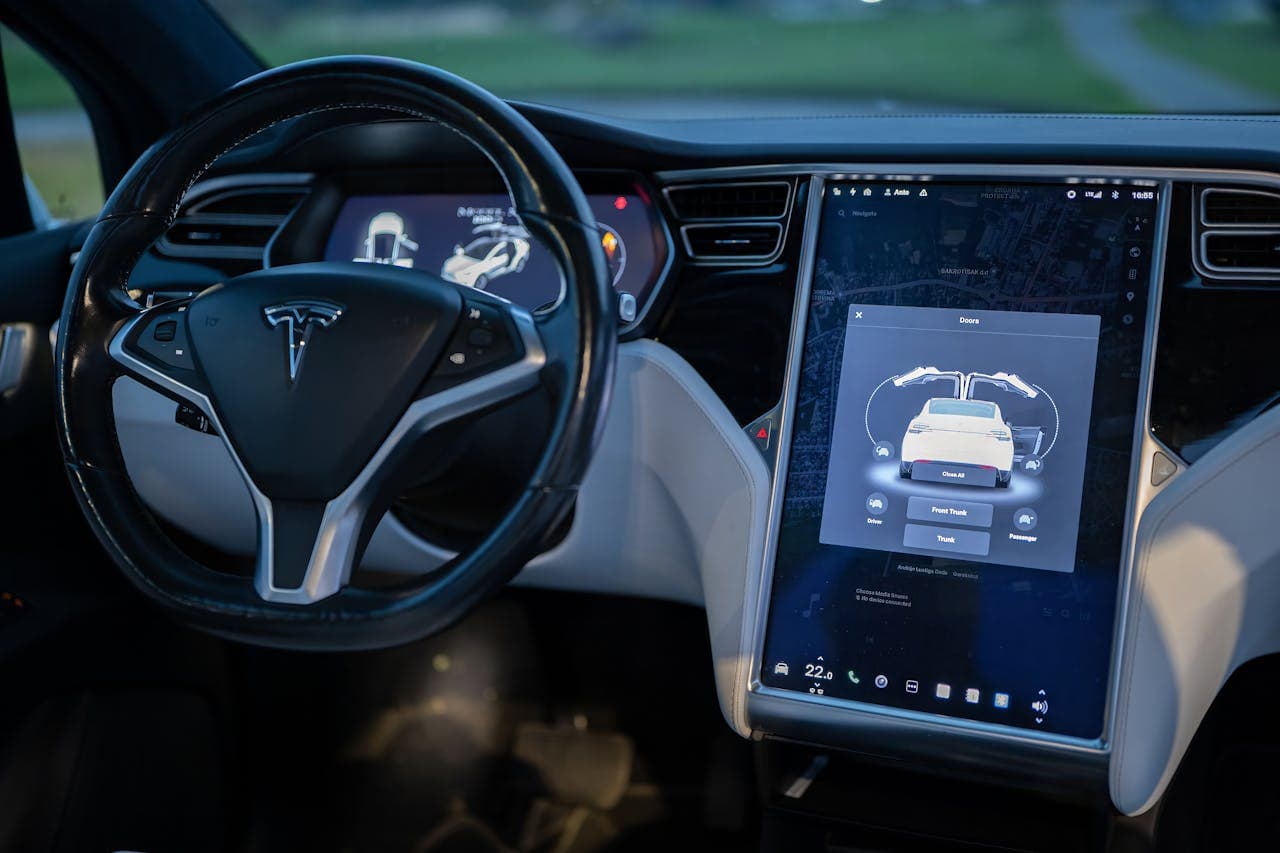
China Bans Hidden Electric Car Door Handles: What Tesla and EV Owners Need to Know
China becomes the first country to ban flush electric door handles on vehicles, citing safety concerns after fatal accidents. Learn how this groundbreaking regulation affects Tesla and other EV manufacturers, and what it means for global automotive safety standards.
Tesla Rolls Out FSD v14.2.2.4: What You Need to Know
Tesla continues to refine its Full Self-Driving (Supervised) software with the latest point release, FSD v14.2.2.4 (firmware version 2025.45.9). The update is currently expanding to users across the United States and Canada, marking another step forward in Tesla's autonomous driving capabilities.
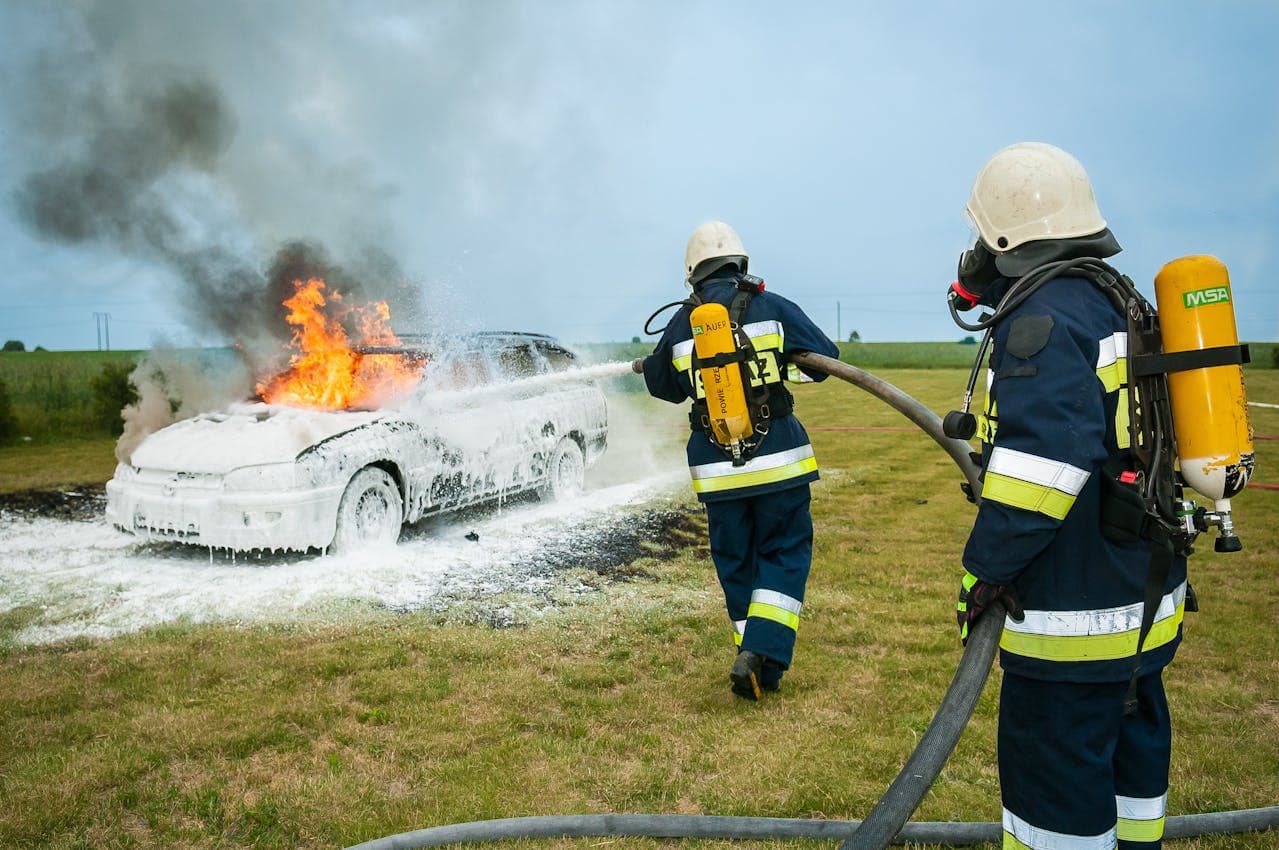
Best Companies Offering Insurance Quotes Specifically for Electric Cars Like Tesla in 2026
Comprehensive guide to Tesla insurance costs and the best insurance companies for electric vehicles. Compare rates, understand how much is insurance for Tesla, and get accurate Tesla Model insurance quotes from top providers.