Tesla Price in India 2026: Complete Guide to Tesla Models, Import Costs & Buying Options
Comprehensive guide to Tesla car prices in India for 2026. Explore Model 3, Model Y, Model S, and Model X pricing, import duties, registration costs, and everything you need to know about buying a Tesla in India.

Trishul D N
Founder & Tech Enthusiast
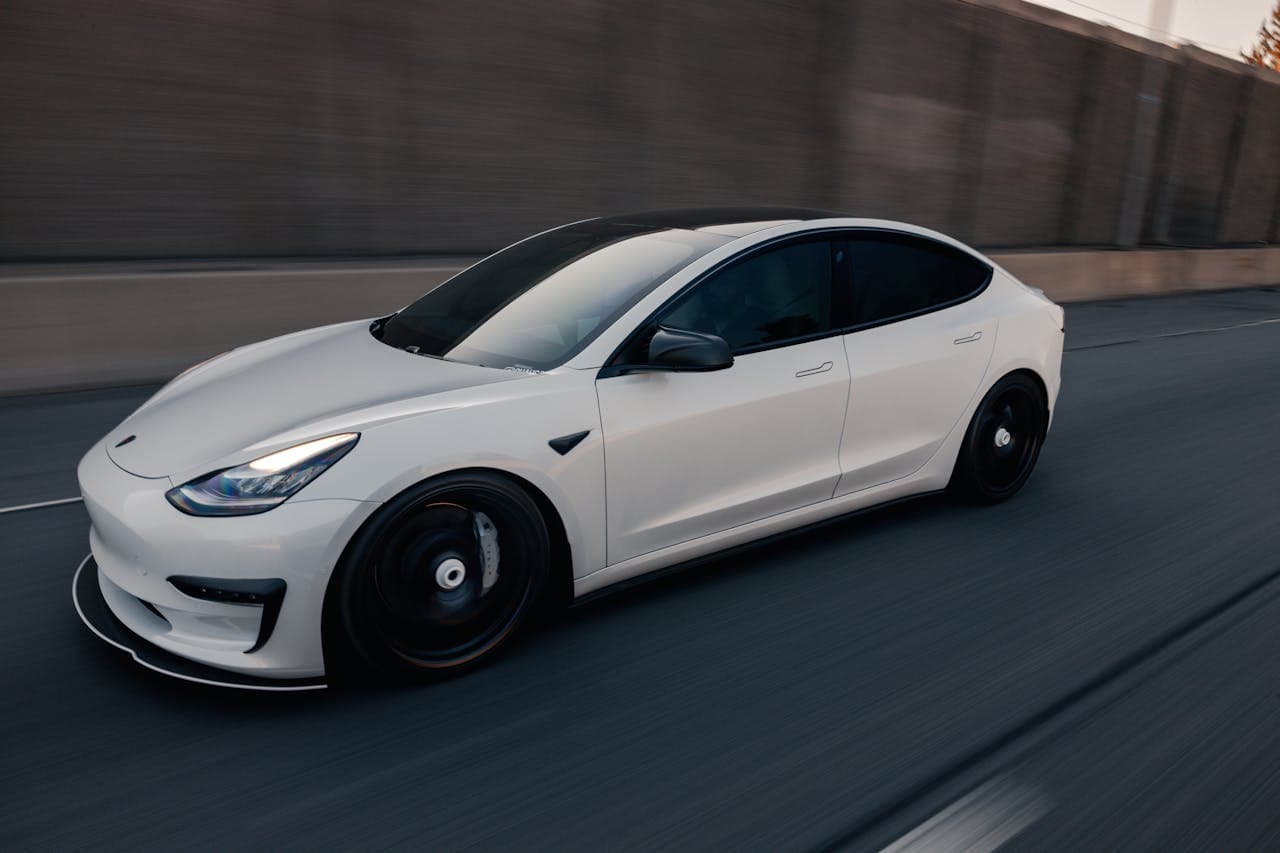
If you've been following Tesla's journey in India, you know it's been a long road filled with anticipation, policy discussions, and countless "when will Tesla launch in India?" questions. As we enter 2026, the landscape has shifted significantly, and while Tesla hasn't established official showrooms across every Indian city, there are now legitimate pathways to owning a Tesla in India—each with its own pricing structure, import considerations, and practical realities.
This comprehensive guide cuts through the speculation and provides you with concrete information about what it actually costs to bring a Tesla to India in 2026, whether through official imports, the expanding gray market, or the emerging private import channels. We'll explore real prices, hidden costs, registration challenges, and the practical considerations that every prospective Tesla owner in India needs to understand.
Understanding Tesla's Current Status in India
Before diving into prices, it's essential to understand where Tesla actually stands in the Indian market as of January 2026. Unlike the United States, Europe, or China where Tesla operates company-owned showrooms and service centers, India presents a unique situation that directly affects pricing and availability.
Tesla has maintained a complicated relationship with the Indian market for nearly a decade. Initial excitement in 2016-2017 gave way to years of policy debates, import duty discussions, and back-and-forth between Tesla leadership and Indian government officials about local manufacturing requirements versus import duty concessions. Elon Musk's repeated statements about India's "highest import duties in the world by far" weren't exaggeration—they were accurate descriptions of the tariff structure that made selling Tesla vehicles in India economically challenging.
As of early 2026, Tesla hasn't established official retail operations in India the way they exist in other markets. There are no Tesla showrooms in Mumbai, Delhi, or Bangalore where you can walk in, test drive a Model 3, and place an order through Tesla's standard sales process. However, this doesn't mean Tesla vehicles are absent from Indian roads.
What has emerged instead is a more complex ecosystem. A small but growing number of Tesla vehicles enter India through three primary channels: diplomatic imports (foreign nationals bringing vehicles under specific exemptions), carnet imports (temporary imports under international convention), and private imports by Indian nationals who navigate the country's complex import regulations. Additionally, some high-net-worth individuals and companies have successfully imported Tesla vehicles for personal or corporate use, creating a tiny but visible Tesla presence in major Indian cities.
This situation directly impacts pricing because every Tesla in India today arrives through pathways that involve substantial import duties, taxes, and logistical complexity. There's no "Tesla India price list" in the traditional sense—instead, prices reflect the actual cost of navigating India's import system.
The Real Cost of Importing a Tesla to India in 2026
Let's address what everyone wants to know: what does a Tesla actually cost if you want to bring one to India right now? The answer is complicated, but we can break it down into understandable components.
Base Import Cost Structure
India's automotive import duties are among the highest globally, and this isn't political rhetoric—it's economic policy designed to protect domestic manufacturing. For completely built units (CBUs) like Tesla vehicles, the duty structure as of January 2026 breaks down as follows:
For vehicles valued under ₹40 lakhs (approximately $48,000), the basic customs duty is 60 percent. For vehicles valued above ₹40 lakhs, the basic customs duty increases to 100 percent. On top of this base duty, you'll face additional charges: cess (typically 1-4 percent of the duty amount), GST (28 percent on the cumulative value including duties), and compensation cess (typically 1-20 percent depending on vehicle specifications and emissions standards, though EVs receive some exemptions here).
Let's walk through an actual example using a Tesla Model 3 Long Range to understand the real numbers.
The US price for a Model 3 Long Range in 2026 is approximately $42,990. Add international shipping and logistics (typically $3,000-5,000 depending on shipping method and port of entry), and you're starting with a base cost of roughly $46,000-47,000 before any Indian duties apply.
Converting to rupees at current exchange rates (approximately ₹83 per dollar as of January 2026), your base cost before duties is roughly ₹38-39 lakhs. Now the duty structure applies:
Since the vehicle's CIF (Cost, Insurance, Freight) value sits just below ₹40 lakhs, you'll pay 60 percent basic customs duty on this amount: approximately ₹23-23.5 lakhs. Then GST applies at 28 percent on the cumulative value (original cost plus duties): roughly ₹17-18 lakhs. Additional cesses and charges add another ₹2-3 lakhs.
Your total landed cost before registration: approximately ₹80-83 lakhs (roughly $96,000-100,000).
But we're not done. Registration in India involves its own costs: state registration fees (varying by state but typically ₹1-2 lakhs for this vehicle category), road tax (5-20 percent of vehicle value depending on state, though many states offer EV exemptions or reductions), and insurance (₹1.5-2.5 lakhs annually for comprehensive coverage on a vehicle of this value).
Your final on-road cost for a Tesla Model 3 Long Range in India: approximately ₹85-90 lakhs ($102,000-108,000).
For context, this same vehicle costs approximately $43,000 in the United States and approximately ₹35-38 lakhs equivalent in markets without India's import duty structure. You're paying more than double the base vehicle cost due to India's tariff system.
Tesla Model-by-Model Pricing for India (2026 Estimates)
Let's break down the estimated costs for each Tesla model if you were to import it into India through legitimate channels in 2026. These figures represent realistic total costs including all duties, taxes, and registration based on current import experiences.
Tesla Model 3 Price in India
Model 3 Rear-Wheel Drive (Base Model)
- US Base Price: $38,990
- Estimated India On-Road Price: ₹78-82 lakhs ($94,000-99,000)
The entry-level Model 3 represents the most affordable Tesla you could bring to India, though "affordable" is relative when you're paying more than ₹75 lakhs. The 60 percent import duty bracket for vehicles under ₹40 lakhs CIF value provides slight relief compared to more expensive models, but the cumulative effect of duties, GST, and registration still roughly doubles the vehicle's base cost.
For an Indian buyer considering this vehicle, you're looking at a price point that competes with luxury vehicles like the BMW 5 Series, Mercedes-Benz E-Class, or Audi A6—all of which are assembled in India and benefit from substantially lower prices than CBU imports.
Model 3 Long Range
- US Base Price: $42,990
- Estimated India On-Road Price: ₹85-90 lakhs ($102,000-108,000)
The Long Range variant, offering approximately 341 miles (550 km) of range, represents the sweet spot in Tesla's Model 3 lineup globally. In India, the additional cost over the base model gets magnified by the duty structure, resulting in an ₹7-8 lakh premium over the RWD variant.
Model 3 Performance
- US Base Price: $50,990
- Estimated India On-Road Price: ₹1.05-1.12 crores ($126,000-135,000)
The Performance variant crosses into the 100 percent import duty bracket, causing a dramatic price increase. At over ₹1 crore, you're competing with vehicles like the BMW M3, Mercedes-AMG C63, and Porsche 911—all of which carry significant brand prestige in the Indian luxury car market.
Tesla Model Y Price in India
Model Y Long Range
- US Base Price: $47,990
- Estimated India On-Road Price: ₹98-1.05 crores ($118,000-126,000)
The Model Y, Tesla's best-selling vehicle globally and one of the most practical options for families, would cost approximately ₹1 crore on Indian roads. This positions it against luxury SUVs like the BMW X5, Mercedes-Benz GLE, and Audi Q7—all strong competitors in India's growing luxury SUV segment.
The Model Y's practicality (seven-seat option, cargo capacity, higher ground clearance beneficial for Indian road conditions) makes it arguably the most India-appropriate Tesla, but the price point puts it firmly in the ultra-luxury category.
Model Y Performance
- US Base Price: $51,490
- Estimated India On-Road Price: ₹1.08-1.15 crores ($130,000-138,000)
The Performance variant adds significant capability (0-60 mph in 3.5 seconds, enhanced handling) but at a substantial price premium that most Indian buyers would find difficult to justify over the already-capable Long Range version.
Tesla Model S Price in India
Model S Dual Motor
- US Base Price: $74,990
- Estimated India On-Road Price: ₹1.65-1.75 crores ($199,000-211,000)
The Model S represents Tesla's luxury sedan flagship. At ₹1.7 crores, you're firmly in ultra-luxury territory competing with the Mercedes-Benz S-Class, BMW 7 Series, and Audi A8—vehicles with established service networks, brand recognition, and resale value in India.
Model S Plaid
- US Base Price: $89,990
- Estimated India On-Road Price: ₹2.0-2.15 crores ($241,000-259,000)
The Plaid's extraordinary performance (0-60 mph in 1.99 seconds, over 1,000 horsepower) makes it one of the fastest production cars available. At over ₹2 crores in India, you're competing with exotic sports cars and ultra-luxury sedans. The handful of Model S Plaids on Indian roads belong to ultra-high-net-worth individuals for whom the price is less relevant than the novelty and performance.
Tesla Model X Price in India
Model X Dual Motor
- US Base Price: $79,990
- Estimated India On-Road Price: ₹1.78-1.90 crores ($214,000-229,000)
The Model X, with its distinctive falcon-wing doors and three-row seating, would be the most expensive "mainstream" Tesla in India. At ₹1.8-1.9 crores, it competes with ultra-luxury SUVs like the Range Rover, Porsche Cayenne, and BMW X7.
Model X Plaid
- US Base Price: $94,990
- Estimated India On-Road Price: ₹2.15-2.30 crores ($259,000-277,000)
The Plaid variant represents the pinnacle of Tesla's SUV lineup. At over ₹2.2 crores, you're in Bentley Bentayga and Lamborghini Urus territory—vehicles that represent ultimate luxury and performance. The practical utility of an SUV combined with Plaid performance creates a unique proposition, but at a price point accessible to very few Indian buyers.
The Hidden Costs Beyond Purchase Price
The sticker shock of importing a Tesla to India doesn't end with the initial purchase. Several ongoing and one-time costs significantly impact the total cost of ownership.
Insurance Complications and Costs
Insuring a Tesla in India presents unique challenges. Most traditional Indian insurance companies have limited experience with electric vehicles generally and Tesla specifically. The vehicle's high import cost, expensive replacement parts, and lack of authorized service network all contribute to elevated insurance premiums.
Comprehensive insurance for a Tesla Model 3 in India typically runs ₹2.5-3.5 lakhs annually, substantially higher than the ₹1.5-2 lakhs you'd pay for a comparably priced BMW or Mercedes-Benz assembled in India. For Model S or Model X, annual comprehensive insurance can exceed ₹5-6 lakhs.
The complexity extends beyond premium costs. In the event of significant damage, insurance claims become complicated by parts availability and repair expertise. Some insurance companies impose clauses requiring that repairs use Tesla-authorized parts (which must be imported) and service centers (which don't officially exist in India), creating potential claim settlement disputes.
Several Tesla owners in India have reported insurance companies initially providing coverage but then refusing renewal after one year, citing the risks and complexities of insuring vehicles without local service support. This forces owners to seek specialized insurers who understand EVs, often at premium rates.
Service and Maintenance Challenges
This represents perhaps the most significant hidden cost. Tesla vehicles require minimal routine maintenance compared to internal combustion vehicles—no oil changes, no transmission service, no spark plugs or timing belts. However, when service is needed, the lack of official Tesla service centers in India creates major complications.
For routine issues like tire rotations, brake inspections, and cabin air filter replacements, you can use independent service providers. Many luxury car service centers in Mumbai, Delhi, and Bangalore now have technicians with EV experience who can handle basic Tesla maintenance.
For more complex issues—software updates requiring dealer tools, battery diagnostics, drive unit service, or collision repairs—you face limited options. Some owners have established relationships with Tesla service centers in neighboring countries (Singapore, Dubai) and ship parts or, in extreme cases, transport vehicles internationally for major service.
One Model 3 owner in Mumbai reported that a relatively minor drive unit issue required ordering parts from Tesla's European operations, paying import duties on those parts (yes, duties apply even for repair parts), and then having an independent technician install them with guidance from Tesla technical support via phone. The total cost: ₹4.8 lakhs and six weeks of downtime. The same repair in the United States would have cost approximately $1,200 and been completed in three days.
Parts Availability and Import Costs
Every replacement part—from minor items like door handles and mirrors to major components like battery modules or motors—must be imported. You'll pay customs duties (typically 10-28 percent depending on the part category) on top of the part cost and international shipping.
A door handle assembly that costs $150 in the US might cost ₹25,000-30,000 by the time it reaches India after duties and shipping. A replacement wheel that costs $300 in the US can exceed ₹40,000 in India. Major components become prohibitively expensive—a replacement battery pack would cost significantly more than the figures mentioned in battery replacement discussions for US markets, potentially adding another 30-50 percent to account for India's import duties.
Charging Infrastructure Investment
While India's public EV charging infrastructure is expanding, it's designed primarily for Indian EVs with CCS2 or Bharat AC charging standards. Tesla vehicles use their proprietary charging connector (though newer models include CCS compatibility), and the Supercharger network that makes Tesla ownership seamless in other markets doesn't exist in India.
This means most Tesla owners in India must invest in home charging infrastructure. A Tesla Wall Connector costs approximately ₹60,000-80,000 including installation (assuming your home has sufficient electrical capacity). If your home requires electrical panel upgrades or additional wiring capacity, add another ₹1-3 lakhs depending on the scope of work.
For apartment dwellers, the challenge intensifies. Convincing your apartment society to allow installation of a dedicated EV charger, potentially upgrading common area electrical infrastructure, and navigating the cost-sharing arrangements with other residents can be a months-long process costing ₹2-5 lakhs depending on your building's existing setup.
Regional Variations: Why Location Matters for Tesla Pricing in India
India's federal structure means that certain costs vary significantly by state, affecting your total Tesla ownership cost depending on where you live.
State Registration Fees and Road Tax
Registration fees and road tax vary dramatically across Indian states. Some states, eager to promote EV adoption, have eliminated or substantially reduced road tax for electric vehicles. Others maintain high road tax rates even for EVs.
For example, Delhi offers complete road tax exemption for electric vehicles, meaning you'd save ₹8-12 lakhs on road tax for a Tesla Model 3 compared to a state charging full rates. Maharashtra offers 100 percent road tax exemption for EVs registered in the state through 2025, with ongoing policy discussions about extensions. Karnataka provides similar exemptions in certain categories.
Conversely, some states maintain substantial road tax even for EVs. A Tesla Model 3 registered in a state charging 8-10 percent road tax on vehicle value would add ₹6-8 lakhs to your total cost compared to registering in a state with EV exemptions.
The practical implication: if you're considering importing a Tesla and have flexibility about registration location, research state-level EV policies carefully. The difference in road tax alone can amount to 10-15 percent of your total vehicle cost.
Port of Entry and Customs Clearance Complexity
Where your Tesla enters India affects cost and complexity. The major ports (Mumbai's Nhava Sheva, Chennai Port, Mundra Port) have more experience handling vehicle imports and clearer processes, though they're also more rigorous about documentation and compliance.
Smaller ports sometimes offer faster clearance but with less predictability. One Model Y owner reported that clearing customs in Mumbai took 12 days with all documentation properly prepared, while a Model 3 owner using a smaller Gujarat port experienced 28 days of clearance time due to unfamiliarity with EV import procedures.
The port location also affects logistics costs. If you live in Bangalore and import through Mumbai, you'll need to transport the vehicle approximately 1,000 km overland, adding ₹40,000-60,000 in transport costs. Choosing a closer port (like Chennai) reduces this cost but might involve different customs procedures and timing.
State Incentives and Subsidies
Several Indian states offer purchase incentives for electric vehicles, though most are designed for vehicles sold through Indian dealerships rather than private imports. However, some states have provisions that might apply to your imported Tesla.
Delhi's EV policy offers incentives up to ₹1.5 lakhs for certain electric vehicles, though eligibility for imported vehicles is unclear and requires individual application review. Gujarat offers subsidy schemes for EVs that might partially apply to imported vehicles registered in the state.
The catch: claiming these incentives often requires proving that the vehicle meets specific criteria (Indian emission standards, safety standards, charging compatibility) and involves bureaucratic processes that can take months. Most Tesla importers in India have found that pursuing these incentives isn't worth the administrative burden, but if you're persistent and have time, you might recoup ₹50,000-2 lakhs depending on your state and vehicle.
Comparing Tesla Prices: India vs. Other Markets
To understand just how significant India's import duty impact is, let's compare what a Tesla costs in various markets globally. This comparison illustrates why Tesla has hesitated to enter the Indian market without duty concessions or local manufacturing.
| Model | United States | China | Europe (Germany) | India (Estimated) |
|---|---|---|---|---|
| Model 3 RWD | $38,990 (₹32.4L) | ¥231,900 (₹27.8L) | €42,990 (₹38.9L) | ₹78-82L |
| Model 3 Long Range | $42,990 (₹35.7L) | ¥271,900 (₹32.6L) | €50,990 (₹46.2L) | ₹85-90L |
| Model Y Long Range | $47,990 (₹39.8L) | ¥299,900 (₹36.0L) | €53,990 (₹48.9L) | ₹98L-1.05Cr |
| Model S Dual Motor | $74,990 (₹62.2L) | ¥684,900 (₹82.2L) | €94,990 (₹86.0L) | ₹1.65-1.75Cr |
| Model X Dual Motor | $79,990 (₹66.4L) | ¥724,900 (₹87.0L) | €99,990 (₹90.5L) | ₹1.78-1.90Cr |
Note: Exchange rates as of January 2026. L = Lakhs, Cr = Crores
The comparison is striking. A Model 3 Long Range that costs roughly ₹36 lakhs equivalent in the United States costs ₹85-90 lakhs in India—a 140 percent markup driven almost entirely by import duties and taxes. Even China, where Tesla operates a major manufacturing facility, offers prices 60-65 percent lower than what Indians would pay.
This pricing gap explains Tesla's reluctance to import vehicles at India's current duty rates. The company would face extreme difficulty justifying prices more than double the US baseline, particularly when competing against luxury brands (BMW, Mercedes-Benz, Audi) that assemble vehicles in India and offer substantially better value propositions at similar price points.
The Policy Landscape: What Might Change (and When)
Tesla's entry into India has been delayed for years by policy disagreements, but the landscape is evolving in ways that might eventually enable official Tesla sales at more reasonable prices.
Recent Policy Developments (2025-2026)
The Indian government has shown increasing willingness to accommodate EV imports under certain conditions, recognizing that domestic EV manufacturing needs time to mature and that allowing premium EV imports might accelerate overall market development.
In late 2025, the Ministry of Heavy Industries announced a new EV import policy allowing qualified manufacturers to import electric vehicles at a reduced 15 percent customs duty (down from 60-100 percent) under specific conditions: minimum ₹4,150 crores ($500 million) investment commitment in Indian manufacturing within three years, starting local production of EVs within three years of the first import, and importing a maximum of 8,000 vehicles annually at the reduced rate.
This policy, formally titled the "Policy on Import of Electric Vehicles and Promotion of EV Manufacturing in India," represents a significant shift. While not specifically designed for Tesla, it creates a pathway for Tesla to begin Indian sales at reduced import duties while establishing local manufacturing.
As of January 2026, Tesla hasn't publicly committed to this policy framework, but industry observers note that the company has engaged in quiet discussions with Indian officials about potential manufacturing sites and investment timelines. If Tesla were to commit to the policy's investment requirements, vehicles imported under the 15 percent duty rate would cost substantially less than current import prices.
A Model 3 Long Range imported under 15 percent duty would carry an estimated on-road price of ₹52-58 lakhs instead of ₹85-90 lakhs—still expensive compared to US prices but competitive with premium sedans assembled in India like the BMW 3 Series and Mercedes-Benz C-Class.
The Local Manufacturing Question
The ultimate path to affordable Tesla pricing in India requires local manufacturing. Every major car brand successfully operating in India—BMW, Mercedes-Benz, Audi, Volvo, Jaguar Land Rover—assembles vehicles locally, reducing costs by 30-50 percent compared to fully imported vehicles.
Tesla has discussed potential manufacturing locations including Maharashtra (home to major automotive manufacturing clusters), Gujarat (where several global automotive companies have established plants), and Tamil Nadu (a southern automotive hub). Each location offers different incentives, infrastructure advantages, and logistical considerations.
The challenge: India's domestic EV market remains relatively small. In 2025, India sold approximately 1.5 million passenger vehicles total, with EVs representing just 8-10 percent of that volume (roughly 120,000-150,000 units). For Tesla to justify a manufacturing facility requiring hundreds of millions of dollars of investment, the company needs confidence in substantial future demand.
However, if Tesla commits to local manufacturing under the new policy framework, we could see official Tesla sales beginning in late 2026 or early 2027 with initial imports at reduced duties, followed by locally assembled vehicles by 2028-2029. Locally assembled Tesla vehicles would likely carry prices 40-50 percent lower than current import prices—making a Model 3 available for ₹45-55 lakhs and a Model Y for ₹55-65 lakhs.
At those price points, Tesla becomes genuinely competitive in India's premium car segment, potentially selling 5,000-10,000 units annually and justifying the manufacturing investment.
Practical Alternatives: Other EVs Available in India Right Now
While dreaming about Tesla ownership, it's worth considering the electric vehicles actually available through official channels in India today. These vehicles don't carry the Tesla brand cache, but they're substantially more affordable, have established service networks, and face none of the import duty burdens affecting Tesla.
Tata Motors EVs: The Domestic Option
Tata Motors, India's largest domestic automaker, has invested heavily in EVs with models spanning entry-level to premium segments.
Tata Nexon EV (₹14.99-19.99 lakhs): India's best-selling EV, offering 465 km range (Long Range variant), practical SUV format, and comprehensive service network. While nowhere near Tesla's performance or technology sophistication, it's genuinely affordable and practical for Indian conditions.
Tata Tiago EV (₹7.99-11.89 lakhs): India's most affordable EV, making electric mobility accessible to middle-class buyers. Range of 315 km serves city driving well.
Tata Harrier EV (expected 2026 launch, ₹25-30 lakhs estimated): Tata's upcoming premium EV SUV might offer the closest domestic alternative to Tesla's value proposition with projected 400-500 km range and advanced features.
MG Motor India: The Mid-Premium Option
MG Motor (SAIC-owned, Chinese-backed) offers two EVs that target buyers interested in electric mobility without Tesla's price premium.
MG ZS EV (₹21.99-28.92 lakhs): Compact SUV with 461 km range, modern features, and competitive pricing. Popular with urban professionals seeking practical EV transport.
MG Comet EV (₹7.98-9.98 lakhs): Ultra-compact city EV designed for congested urban environments with 230 km range.
Hyundai Ioniq 5: The Premium Alternative
Hyundai Ioniq 5 (₹44.95-46.05 lakhs): Represents India's closest match to Tesla's product philosophy—long range (631 km ARAI claimed), rapid charging, advanced technology, and modern design. At ₹45 lakhs, it costs half what an imported Tesla Model 3 would cost while offering comparable practical capability.
The Ioniq 5 benefits from Hyundai's established service network (1,500+ locations nationwide), proven reliability, and competitive warranty coverage. For buyers interested in the EV experience without Tesla's specific brand proposition, it's the most credible alternative currently available in India.
BYD Atto 3: The Chinese Challenger
BYD Atto 3 (₹33.99-34.49 lakhs): BYD, the world's largest EV manufacturer, entered India in 2022 with the Atto 3 compact SUV offering 521 km range and competitive features. While struggling with brand perception (Chinese brands face consumer resistance in India post-2020 border tensions), the vehicle offers genuine value at its price point.
Real Stories from Tesla Owners in India
Understanding the reality of Tesla ownership in India requires hearing from those who've actually navigated the process. Here are several real experiences from Tesla owners across India in 2025-2026.
Rajesh's Model 3 Journey in Mumbai
Rajesh, a tech entrepreneur in Mumbai, imported a 2023 Model 3 Long Range in mid-2025. His total cost: ₹87 lakhs including all duties, registration, and first-year insurance. The process took four months from initial inquiry to receiving the vehicle.
"The car itself is everything I expected—incredible technology, smooth driving experience, and the instant torque is addictive. But the import process was exhausting. I worked with a customs agent who specializes in vehicle imports, which helped immensely, but there were still weeks of uncertainty waiting for clearances."
His ongoing experience: "Charging at home works perfectly with my Wall Connector. I installed solar panels which cover roughly 60 percent of my charging electricity over a year, making my fuel cost essentially zero. The challenge is service. I've had two minor issues—a door handle sensor malfunction and a software glitch—and both required coordinating with Tesla technical support internationally and sourcing parts. One took three weeks to resolve."
His perspective: "Would I do it again? Yes, because I love the car. Would I recommend it to someone less committed to the Tesla experience? Probably not. For ₹87 lakhs, you could buy a BMW 5 Series with full service support and better resale value. You buy a Tesla in India because you specifically want a Tesla, not because it's the smart economic decision."
Priya's Model Y Experience in Bangalore
Priya, a business owner in Bangalore, imported a Model Y Long Range in early 2025 for approximately ₹1.02 crores. She chose the Model Y for its family practicality and the seven-seat configuration.
"The import process was smoother than I anticipated, largely because I learned from others' experiences documented online. I used Chennai port which reduced transport costs compared to Mumbai. Total timeline was three and a half months."
Her ownership experience: "The car is perfect for our family—spacious, safe, and the running costs are minimal. Electricity to fully charge costs around ₹400-500, giving us 450-500 km range. Compared to the Mercedes-Benz GLE we considered which would cost ₹80,000-1,00,000 per month in fuel, the Tesla's operating cost advantage is dramatic."
The challenges: "Insurance is a headache—I'm on my second insurer because the first refused renewal. And I live in an apartment, so getting charging installed required convincing the society and sharing infrastructure costs with two other EV owners in my building. Total installation cost was ₹3.5 lakhs split among three households."
Her advice: "If you have home charging access and can handle the service uncertainty, Tesla ownership in India is genuinely rewarding. If you need assured service support and traditional dealership experience, wait for official Tesla entry or buy a Hyundai Ioniq 5."
Sameer's Model S Plaid in Delhi
Sameer, an ultra-high-net-worth individual in Delhi, imported a Model S Plaid in late 2024 for approximately ₹2.1 crores. His motivation was pure performance passion rather than practical transportation needs.
"I collect performance cars, and the Plaid's performance statistics—0-100 kmph in under 2 seconds—were too compelling to ignore. The import cost was irrelevant to my decision. I wanted the car, and I have the resources to acquire it regardless of India's duty structure."
His experience: "The car is an absolute monster in terms of performance. Taking it to controlled track environments, the acceleration is genuinely mind-bending. On public roads, I obviously can't use the full performance, but the sheer capability is exciting."
Service reality: "I've budgeted ₹10-15 lakhs annually for maintenance, parts, and potential service trips if major work is needed. So far, I've only needed minor software updates and tire rotations, which local specialists handle. But I'm prepared for the reality that any significant issue might require transporting the car internationally or having Tesla send technicians to India, either of which could cost ₹5-10 lakhs for a major service event."
His perspective: "For someone buying this as their only car, I'd say you're insane. For someone adding this to a collection of vehicles and who can absorb the financial risk, it's a remarkable ownership experience that few people in India can claim."
Financing Options for Tesla in India
Traditional auto loans don't easily accommodate imported vehicles, creating financing challenges for prospective Tesla owners.
Bank Loans and Challenges
Most Indian banks offer auto loans for vehicles purchased through authorized dealerships with clear valuation, insurance, and repossession pathways. An imported Tesla doesn't fit this model cleanly. Banks face uncertainty about resale value, difficulty repossessing and reselling an imported EV if you default, and lack clear frameworks for assessing imported vehicle loan risk.
Some banks have developed specialized import vehicle loan products, typically requiring 40-50 percent down payment (versus 20-30 percent for standard auto loans), charging higher interest rates (12-15 percent versus 9-11 percent for standard auto loans), and imposing shorter loan terms (3-5 years versus 5-7 years standard).
A ₹85 lakh Tesla Model 3 with 50 percent down payment (₹42.5 lakhs) and 5-year loan at 13 percent interest would carry EMIs of approximately ₹96,000. Total interest paid over the loan period: approximately ₹15 lakhs.
Non-Banking Financial Companies (NBFCs)
Several NBFCs have recognized the niche market for high-value imports and developed products specifically for vehicles like Tesla. These loans typically come with even higher down payment requirements (50-60 percent) but offer more flexibility in terms and approval speed.
One Tesla owner reported securing NBFC financing at 14.5 percent interest with 55 percent down payment, closing the loan within two weeks compared to the 6-8 weeks traditional banks require.
The Cash Purchase Reality
Most Tesla owners in India purchase with cash or liquid assets rather than financing. The combination of high down payment requirements, elevateinterest rates, and the reality that buyers at this price point typically have substantial liquid wealth means that financing is the exception rather than the rule.
If you're considering financing a Tesla import, expect to provide 50 percent down payment, accept double-digit interest rates, and demonstrate substantial additional assets beyond the vehicle purchase price.
Resale Value: What Happens When You Want to Sell
Here's a question most people don't consider until it's relevant: what's a used Tesla worth in India? The answer is complicated and not encouraging.
The Tiny Secondary Market
India's used Tesla market is tiny—perhaps 50-100 vehicles total that have changed hands through private sales since Tesla ownership began emerging in India. This tiny market means price discovery is difficult and finding buyers is challenging.
A two-year-old Model 3 Long Range that originally cost ₹87 lakhs to import might sell for ₹55-65 lakhs in the private market, representing roughly 35-40 percent depreciation in two years. For comparison, a BMW 5 Series purchased at ₹70 lakhs might retain ₹50-55 lakhs after two years (approximately 25-30 percent depreciation).
The higher Tesla depreciation reflects buyer uncertainty about service, parts availability, and future support. Buyers of used Teslas in India are taking on all the import and ownership challenges with none of the new vehicle warranty protection, justifying deep discounts.
Finding Buyers
Selling a Tesla in India requires patience and connections. Most sales happen through personal networks, EV enthusiast groups, or ultra-high-net-worth individual connections rather than traditional used car channels. Dealerships rarely want to handle Tesla consignment due to limited buyer pools and service complexities.
Plan for 6-12 months of listing time if you decide to sell, and be prepared to accept 40-50 percent of your original purchase price for vehicles over three years old.
The Trade-In Challenge
If you're considering selling your Tesla to upgrade to a newer model or switch to a different brand, you face challenges. Traditional dealerships won't accept Tesla trade-ins at meaningful values. Your best option is typically selling privately, but this requires time and effort.
Need help valuing your Tesla for sale? Check out our Tesla Trade-In Valuation Tool which provides estimated values based on current Indian market conditions. For comprehensive guidance on selling your Tesla, explore our Trade-In Guide covering everything from pricing strategies to negotiation tactics.
The Future: When Will Tesla Officially Launch in India?
This is the question everyone asks: when will you be able to walk into a Tesla showroom in Mumbai, Delhi, or Bangalore and order a vehicle like you can in other markets?
Current Status and Timeline Speculation
As of January 2026, Tesla hasn't announced official India launch plans, but several indicators suggest movement. The company has quietly registered Tesla India Motors and Energy Private Limited, maintained discussions with government officials about the new EV import policy, and reportedly scouted potential manufacturing locations in Maharashtra and Gujarat.
Industry observers speculate that if Tesla commits to the new import policy (allowing reduced-duty imports with manufacturing commitment), we could see:
Late 2026: Official announcement of India entry with initial imports beginning
-
2027: Tesla sales through limited showroom locations in major cities (Mumbai, Delhi, Bangalore, Hyderabad) with vehicles imported at 15 percent duty
-
2028-2029: Local assembly beginning, potentially starting with Model 3 and Model Y to serve volume segments
-
2030+: Expanded local production possibly including battery assembly or cell production
This timeline is speculative, but it aligns with Tesla's approach in other markets where the company initially imports vehicles, builds demand, and then invests in local production once volumes justify the capital expenditure.
Expected Pricing if Official Launch Occurs
If Tesla enters India officially under the reduced duty framework and eventually manufactures locally, pricing might look dramatically different from current import costs: Initial Import Phase (15% Duty)
- Model 3 Long Range: ₹50-58 lakhs
- Model Y Long Range: ₹58-68 lakhs
- Model S/X: ₹1.3-1.7 crores
Local Assembly Phase
- Model 3 Long Range: ₹42-50 lakhs
- Model Y Long Range: ₹48-58 lakhs
- Model S/X: Likely continued imports at reduced rates
These prices would make Tesla genuinely competitive in India's premium car segment, potentially attracting 8,000-15,000 annual buyers and justifying official market entry.
Making the Decision: Should You Import a Tesla to India Now?
Given everything we've covered—the high costs, service challenges, import complexity, uncertain resale value—should you actually import a Tesla to India in 2026?
When Importing Makes Sense
You should consider importing a Tesla if:
You're an EV enthusiast specifically wanting the Tesla experience: If you value Tesla's technology, software, Autopilot/FSD capabilities, and overall driving experience above all else, the premium cost might be worthwhile despite the practical challenges.
You have home charging access: Without reliable home charging, Tesla ownership in India becomes impractical given limited public charging infrastructure compatibility.
You can absorb service uncertainty and costs: Budget ₹2-5 lakhs annually for potential service complications, parts imports, and the possibility of major issues requiring creative solutions.
You have financial resources for the purchase and ongoing costs: Don't stretch your budget to import a Tesla. The experience requires financial cushion to handle unexpected complications.
You're willing to be a pioneer: Early Tesla owners in India are genuinely pioneering a new category of vehicle ownership in the country. If you enjoy being first and can handle the complexity, it's rewarding.
When You Should Wait (or Choose Alternatives)
Consider waiting or choosing alternative vehicles if:
You need assured service support: If vehicle downtime for service creates major life disruption, Tesla's current lack of official service in India is disqualifying.
You're budget-conscious about total cost of ownership: For the money you'd spend importing a Tesla, you can buy luxury vehicles with better service support, stronger resale value, and less ownership complexity.
You expect traditional dealership experience: Tesla in India currently involves navigating import agents, customs procedures, and DIY problem-solving. If you want traditional showroom sales and service, wait for official launch.
You're buying for family/business transportation needs: If the vehicle is primarily functional transportation rather than a passion purchase, more practical alternatives (Hyundai Ioniq 5, Mercedes EQC, BMW iX) offer better value propositions.
Resale value matters: If you typically trade vehicles every 3-5 years and resale value is important, Tesla's current weak secondary market in India creates financial risk.
Frequently Asked Questions About Tesla Pricing in India
Can I directly order a Tesla to be shipped to India from Tesla's website?
- No, Tesla doesn't offer direct shipping to India through their normal sales channels. Indian customers must arrange import through specialized import agents or automotive import companies that handle the customs clearance, documentation, and registration process. Some Tesla owners have coordinated international purchases and arranged shipping independently, but this requires significant expertise in import regulations.
What are the chances of import duties coming down for Tesla vehicles?
- The recent EV import policy offering 15 percent duties for manufacturers committing to local production represents a significant policy shift. If Tesla commits to this framework, duties could drop substantially. However, for general private imports outside this policy, duties are unlikely to decrease significantly in the near term as they serve broader industrial policy goals of promoting domestic manufacturing.
How long does the process of importing a Tesla to India typically take?
- The complete process from purchase to registration typically takes 3-5 months. This includes: purchasing the vehicle (1-4 weeks), international shipping (3-6 weeks), customs clearance (1-4 weeks depending on port and documentation), transportation to your location (3-7 days), and registration (2-4 weeks). Delays at any stage can extend the timeline, and some owners have reported processes taking 6-8 months when complications arise.
Is there any official Tesla service center in India?
- As of January 2026, Tesla doesn't operate official service centers in India. Some independent automotive service providers in major cities (Mumbai, Delhi, Bangalore, Hyderabad) have developed expertise in servicing Tesla vehicles and can handle routine maintenance and some repairs. For major issues requiring specialized diagnostic equipment or software access, owners must coordinate with Tesla technical support internationally and source parts through import channels.
Can I use Tesla Superchargers anywhere if I import a Tesla to India?
- No, Tesla hasn't installed Supercharger infrastructure in India. Tesla owners in India rely entirely on home charging (installing Wall Connectors or using standard outlets) and India's emerging public charging infrastructure. Some public fast chargers with CCS2 compatibility can charge newer Tesla models with adapters, but the charging experience lacks the Supercharger network's simplicity and ubiquity available in other markets.
What is the warranty situation for imported Tesla vehicles in India?
- Tesla's factory warranty technically remains valid globally, including India, but practical enforcement is complicated without official service centers. Some owners have successfully claimed warranty coverage by coordinating with Tesla's international support teams and having authorized service centers in neighboring countries (Singapore, UAE) perform warranty work. However, the process is cumbersome, and you'll likely face costs for transportation and logistics even if the parts and labor are covered under warranty. The lack of clear warranty service pathway in India represents a significant ownership risk.
Will Tesla's price be more affordable when they officially launch in India?
- Almost certainly yes, though not immediately. If Tesla enters under the new import policy (15 percent duty), initial prices would be 30-40 percent lower than current private import costs. Once local assembly begins, prices could drop another 20-30 percent compared to even the reduced-duty imports. A Model 3 that costs ₹85-90 lakhs to import privately today might cost ₹50-58 lakhs through official sales with reduced duties, and ₹42-50 lakhs once locally assembled. These lower prices would still position Tesla as a premium brand but would make the vehicles accessible to a much larger buyer pool.
What's the insurance situation for Tesla in India?
- Insurance for imported Tesla vehicles in India is available but challenging. Most traditional insurers either decline Tesla coverage or charge premium rates (often 50-80 percent higher than comparable luxury vehicles) due to service complexity and parts availability concerns. Some specialized insurers and NBFC insurance divisions have developed EV import insurance products, but annual premiums typically run ₹2.5-5 lakhs depending on model and declared value. Several owners report insurance companies refusing renewal after the first year, forcing them to seek new insurers annually. Comprehensive coverage is essential given the vehicle's high value and repair complexity.
Are there any specific documents needed for importing a Tesla to India?
- Yes, importing a vehicle to India requires extensive documentation: Bill of Lading from the shipping company, commercial invoice showing vehicle purchase price, certificate of origin, homologation certificate (certifying the vehicle meets Indian safety and emissions standards—complicated for vehicles not designed for India), insurance certificate, import license (IEC - Import Export Code), customs clearance documents, GATT declaration (if applicable), and payment proof for all duties and taxes. Working with an experienced customs agent who specializes in vehicle imports is highly recommended as documentation errors can cause expensive delays or rejection.
Can I claim any environmental or EV incentives for importing a Tesla?
- Most state and central government EV incentives are designed for vehicles purchased through authorized Indian dealerships, not private imports. However, some states have provisions that might apply—Delhi's EV policy, for instance, provides road tax exemption for all EVs including imports. Some states offer registration fee reductions or exemptions. FAME (Faster Adoption and Manufacturing of Electric Vehicles) subsidies generally don't apply to CBU imports. Research your specific state's EV policies, as a few have provisions that could provide ₹50,000-2 lakhs in benefits even for imported EVs.
How does maintenance cost compare between Tesla and German luxury cars in India?
- Routine maintenance costs for Tesla are actually lower than comparable BMW, Mercedes-Benz, or Audi vehicles. Tesla doesn't require oil changes, transmission service, spark plugs, or many components that German cars need regularly. However, when repairs are needed, Tesla parts must be imported (adding cost and time) and specialized technical knowledge is required. On balance, if your Tesla remains trouble-free, you'll spend less on maintenance than German luxury car owners. But if major issues arise, the costs could be substantially higher due to import duties on parts and complex service logistics. Budget ₹1.5-3 lakhs annually for routine maintenance and build a reserve fund of ₹5-10 lakhs for potential major service needs.
Is it possible to lease a Tesla in India?
- Currently, no traditional leasing options exist for Tesla vehicles in India since the brand doesn't operate officially. Some ultra-high-net-worth individuals have structured private lease arrangements through corporate entities (leasing to themselves as employees), but this is a tax and accounting strategy rather than a true lease product. If Tesla officially launches in India, they're likely to offer their standard lease programs similar to other markets, but these don't exist as of January 2026.
Summary: The Reality of Tesla Pricing in India
The dream of Tesla ownership in India is achievable but expensive. With prices ranging from ₹78 lakhs for a base Model 3 to over ₹2 crores for a Model X Plaid, you're paying more than double what buyers in other markets spend due to India's import duty structure. The total cost extends beyond purchase price to include service challenges, parts import costs, insurance complications, and weak resale values.
For passionate EV enthusiasts with financial resources to absorb these challenges, importing a Tesla in 2026 offers a unique ownership experience that few Indians can claim. The vehicles themselves are remarkable—the technology, performance, and driving experience justify the passion they inspire globally.
But for practical buyers seeking electric mobility, established alternatives like the Hyundai Ioniq 5, MG ZS EV, or upcoming Tata Harrier EV offer substantially better value propositions with full service support and none of the import complications.
The future looks more promising. If Tesla commits to India under the new import policy framework, official sales could begin in late 2026 or 2027 with prices 30-40 percent lower than current private imports. Local manufacturing by 2028-2029 could reduce prices another 20-30 percent, making Tesla genuinely competitive in India's premium automotive segment.
For now, the question isn't whether Tesla vehicles are worth their technical merits—they absolutely are. The question is whether the India-specific premium of 140 percent over international prices, combined with service uncertainty and ownership complexity, is worth it for your specific situation.
Only you can answer that question, but now you have the information needed to make an informed decision. If you already own a Tesla in India or globally and are considering selling, get an accurate valuation using our Tesla Trade-In Valuation Tool. For comprehensive guidance on maximizing your Tesla's value when selling, explore our detailed Trade-In Guide.
Recent from the Blog
China Bans Hidden Electric Car Door Handles: What Tesla and EV Owners Need to Know
China becomes the first country to ban flush electric door handles on vehicles, citing safety concerns after fatal accidents. Learn how this groundbreaking regulation affects Tesla and other EV manufacturers, and what it means for global automotive safety standards.
Tesla Rolls Out FSD v14.2.2.4: What You Need to Know
Tesla continues to refine its Full Self-Driving (Supervised) software with the latest point release, FSD v14.2.2.4 (firmware version 2025.45.9). The update is currently expanding to users across the United States and Canada, marking another step forward in Tesla's autonomous driving capabilities.

Best Companies Offering Insurance Quotes Specifically for Electric Cars Like Tesla in 2026
Comprehensive guide to Tesla insurance costs and the best insurance companies for electric vehicles. Compare rates, understand how much is insurance for Tesla, and get accurate Tesla Model insurance quotes from top providers.