Best Tesla Model Y Accessories (2026): Must-Haves You'll Actually Use
The most practical Model Y upgrades for comfort, protection, storage, and safety. Expert recommendations on which accessories deliver real value, budget-friendly options, and items you should skip entirely.

Trishul D N
Founder & Tech Enthusiast
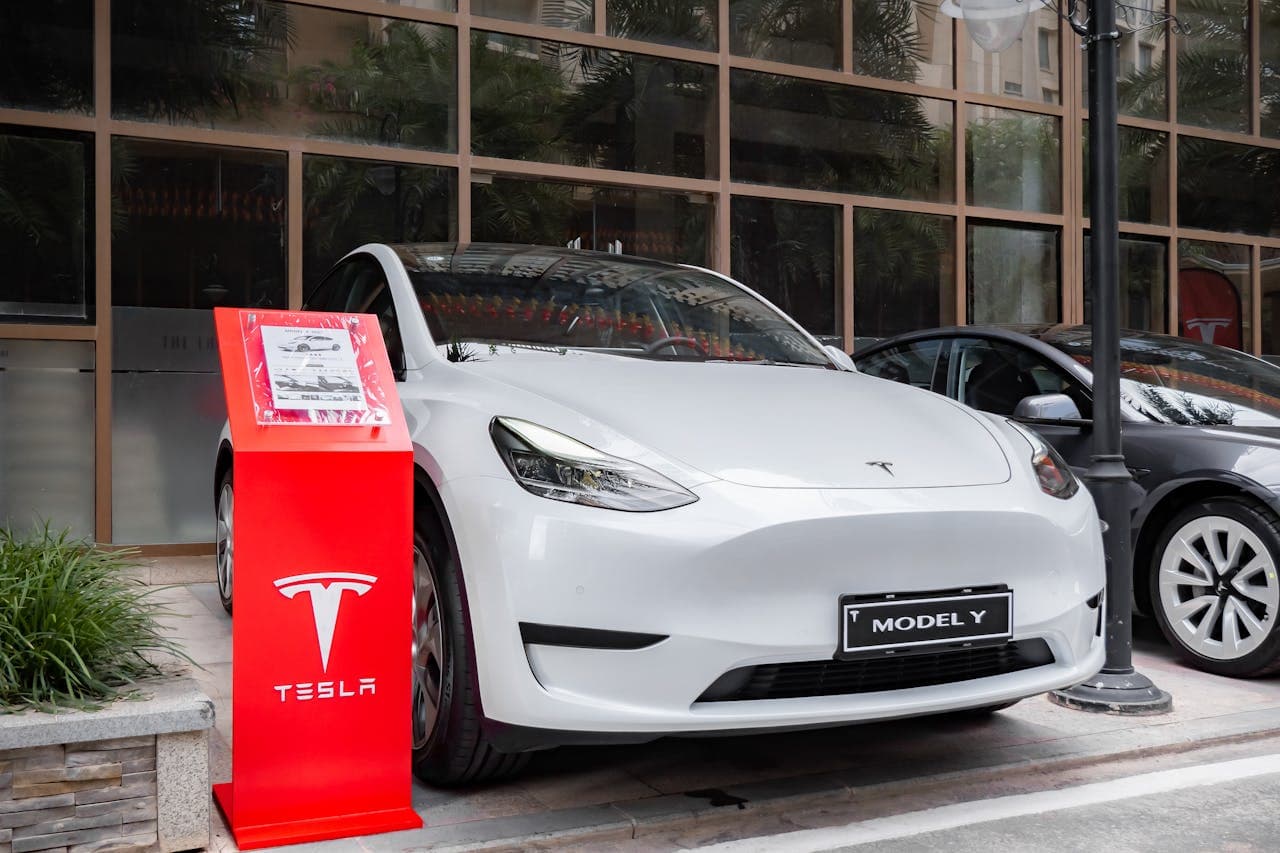
The Tesla Model Y arrives from the factory as a remarkably complete vehicle. Unlike traditional cars where you immediately feel the need for floor mats, cup holders, and protective covers, the Model Y actually delivers most essentials from the start. Yet after spending thousands of miles in Model Y vehicles and speaking with hundreds of actual owners, a clear picture emerges: certain accessories genuinely improve daily ownership experience, while others sit unused in garages representing wasted money.
This isn't a comprehensive list of every possible Model Y accessory. Instead, this guide focuses on practical upgrades that deliver measurable value in 2026, explains why some popular items don't deserve your money, and provides honest recommendations based on real ownership data and use cases. Whether you're customizing a new Model Y or looking to enhance your current vehicle, this guide helps you spend wisely on upgrades that actually matter.
The Reality of Model Y Accessories: What You Actually Need
Before diving into specific products, let's establish something important: the Model Y comes well-equipped from Tesla. You don't need every accessory to enjoy ownership. The factory floor mats are functional, the built-in storage is adequate, and the vehicle operates perfectly without aftermarket upgrades.
That said, certain accessories address genuine gaps in the factory experience. Some enhance convenience in meaningful ways, some provide protection your vehicle genuinely needs, and some solve problems you'll discover only after living with the Model Y for a few months. The goal here is identifying which category each accessory falls into and whether it makes financial sense for your specific situation.
Protection Accessories: The Category That Actually Matters
If you're going to invest in Model Y accessories, prioritize protection items. Your vehicle represents a significant financial investment, and certain protective accessories directly extend its lifespan and preserve resale value.
Paint Protection Film: The Premium Protection That Delivers
Paint protection film (PPF) represents one of the most expensive but justifiable accessory investments for Model Y owners. A professional installation of full-front or full-body PPF typically costs $2,000-5,000 depending on coverage extent and your region's labor costs.
This sounds expensive until you consider what it prevents. Rock chips, road debris, bird droppings, tree sap, and minor abrasions—all of which accumulate during normal ownership—never reach your vehicle's paint. A single deep rock chip repair costs $300-600. Multiple chips across your hood and fenders could easily exceed $1,500 in repair costs over several years of ownership.
Model Y owners in harsh climates—areas with significant road construction, gravel roads, or highways prone to debris—see PPF's value most clearly. One owner from Colorado who regularly drives mountain roads reported that her PPF-protected front end showed zero damage after three years of ownership, while her previous vehicle (without PPF) had accumulated $2,000+ in paint repairs over a similar timeframe.
The practical approach: if you plan to keep your Model Y long-term or care about resale value, full-front PPF ($1,500-2,500) is justified. Full-body PPF makes sense if you drive significant highway miles or live in regions with harsh weather conditions.
Budget alternative: ceramic coating ($500-1,200) provides less complete protection than PPF but offers meaningful defense against environmental damage, UV damage, and minor contamination. It's not as durable as PPF but costs significantly less and provides real value if you skip the premium option.
Ceramic Coating: The Middle-Ground Protection
Ceramic coating creates a hydrophobic layer on your paint, providing protection against UV rays, bird droppings, tree sap, and water spotting. It won't prevent rock chips like PPF does, but it dramatically reduces damage from environmental exposure.
A professional ceramic coating costs $600-1,200 applied to an entire vehicle. The coating typically lasts 2-3 years before requiring reapplication. For owners who want protection without the PPF price tag, ceramic coating delivers genuine value.
One practical approach: apply ceramic coating to the entire vehicle ($800) and PPF only to high-impact areas (hood, front fenders, mirrors, bumper) for $1,500-2,000. This hybrid approach delivers substantial protection for roughly $2,300-2,800 total, less than full PPF but more comprehensive than coating alone.
Window Tinting: Comfort Meets Protection
Window tinting serves multiple purposes that make it worthy of serious consideration for Model Y owners. Tinting keeps your vehicle significantly cooler (10-15°F cooler interior on hot days), reduces glare, protects interior materials from UV fade, and increases privacy.
Professional window tinting costs $400-800 for a Model Y depending on tint darkness and film quality. This is genuinely one of the best value accessories you can purchase, particularly if you live in hot climates or park in direct sunlight regularly.
An Arizona Model Y owner reported that after tinting, her interior temperature remained 12°F cooler during summer, eliminating the need for aggressive pre-cooling before entering the vehicle. Over a summer, this translates to meaningful energy savings from reduced cooling demand—perhaps $30-50 in electricity costs—plus the intangible benefit of interior comfort.
The caveat: ensure you understand your state's tinting regulations. Some states have restrictions on darkness levels, and tinting too dark can be illegal. Research before committing.
Floor Mats: Tesla's Are Fine, But Better Exists
Tesla provides basic floor mats with every Model Y, and they're functional. However, aftermarket floor mats offer superior protection and durability. WeatherTech and similar premium brands cost $150-250 for a full set and provide noticeably better protection for your interior carpeting.
The practical reality: if you live in a region with snow, salt, mud, or simply drive in dirty conditions regularly, premium all-weather mats ($200) are justified. If you live in a dry, clean environment and don't need maximum protection, Tesla's factory mats are adequate.
Skip consideration: trunk and frunk liners. Tesla's painted trunks and frunks are already protective enough. The plastic liners ($80-150) add minimal additional protection while creating a maintenance chore (cleaning out the liners) that wasn't necessary before.
Interior Comfort and Convenience Accessories
After protection, comfort and convenience accessories represent the next category worth considering. Some genuinely improve daily driving experience, while others solve problems that might not actually bother you.
Console Organizer: Maximizing the Center Console
The Model Y's center console is oddly shaped and somewhat limited in functionality. A quality console organizer (Tesla-specific, $60-120) transforms it into genuinely useful storage by adding compartments for the phone, charging cables, AirPods, and other daily items.
This is one of the most frequently purchased accessories among Model Y owners because it addresses a legitimate gap between the console's size and its actual usefulness. One owner noted that before installing a console organizer, her phone would slide around the console constantly during hard acceleration. After installation, everything stays exactly where placed.
The value here is modest ($100) but the impact on daily convenience is meaningful. If you're in the vehicle daily, this is worth considering. If you drive occasionally, skip it.
Steering Wheel Pad: Grip and Comfort Enhancement
Tesla's yoke or scroll wheel steering can feel minimalist to the point of being uncomfortable during extended driving. A thin steering wheel pad ($40-80) adds grip, reduces hand fatigue, and makes the steering feel noticeably less sparse.
This is highly personal preference. Some drivers love the minimal steering feel; others find it uncomfortable on longer drives. Test your comfort level before purchasing, but if you drive 15,000+ miles annually, a steering wheel pad is a reasonable $60 investment.
Seat Covers: Looking Good vs. Practical Protection
Third-party seat covers ($300-600) are popular among Model Y owners, but they're genuinely unnecessary unless you have specific needs. Tesla's material is genuinely durable and designed for real-world use. Seat covers add bulk, create a layer that slides around, and eliminate the comfortable minimalist interior aesthetic.
Only consider seat covers if you have specific protection needs: very young children likely to create stains, dogs traveling regularly, or you're planning to resell the vehicle and want to preserve pristine seat condition. For normal ownership, skip seat covers and enjoy your vehicle's elegant interior design.
Sunshade: Climate and Privacy Control
A sunshade ($50-100) is genuinely one of the most underrated accessories. It keeps your interior significantly cooler when parked, protects the dashboard and seats from UV fade, and provides privacy when the vehicle is unattended.
An owner in Southern California reported that using a sunshade reduced her summer parking lot temperature from 165°F to 140°F—a meaningful difference in how unpleasant the vehicle is when you return to it. At $80, this is exceptional value if you park in direct sunlight regularly.
The trade-off: installing and removing a sunshade every time you park is minor friction many owners resent. This makes it ideal for people with regular parking locations (work, home) where setup remains constant but less practical for people constantly parking in different spots.
Car Air Freshener: Skip It (Honestly)
The Model Y's ventilation system keeps the cabin remarkably fresh naturally. Air fresheners ($15-30) add fragrance that most owners either don't notice or eventually resent (olfactory adaptation). The interior will smell fine without them. This is one category where you're genuinely paying for nothing.
Storage and Organization Accessories
Model Y storage is actually quite good, but several accessories expand its capacity and organization in genuinely useful ways.
Under-Seat Storage: Expanding Hidden Capacity
A Model Y under-seat storage organizer ($100-180) adds substantial capacity for emergency supplies, jumper cables, documents, or other items you want in your vehicle but not visible. This is particularly useful for owners who frequently transport documents, have children who accumulate items, or need organized storage for emergency supplies.
One owner noted that she now carries her emergency kit, jumper cables, and first aid supplies in under-seat storage where they're completely hidden but immediately accessible if needed. For $140, this provided genuine peace of mind and organization.
Trunk Organizer: Turning Chaos into Order
A trunk organizer ($80-150) creates compartments in the Model Y's surprisingly spacious cargo area, transforming it from an open space where items roll around into an organized storage zone. If you regularly transport groceries, sports equipment, or work supplies, this is genuinely useful.
The practical consideration: if you rarely transport items beyond occasional grocery shopping, skip it. If you regularly use your trunk for organized storage, $120 invested is worthwhile.
Ceiling Storage Net: Maximizing Vertical Space
A ceiling storage net ($60-100) adds overhead storage for lightweight items (hats, lightweight bags, etc.) without consuming valuable floor or seat space. For owners with limited storage needs, this might be overkill. For those regularly dealing with storage constraints, it's genuinely useful.
Charging and Power Accessories
Model Y ownership involves regular charging, and several accessories improve that experience.
Home Charging Installation: Non-Negotiable for Ownership
If you have access to 240V power at home, installing a Wall Connector (Tesla-branded, $590 base unit plus $500-2,000 installation) is genuinely the best accessory investment you can make. A 240V charger provides 30-50 miles of range per hour, transforming your overnight charging from the inadequate 120V trickle rate (2-3 miles per hour) to genuinely useful overnight charging.
The economics are straightforward: a $1,500 total installation cost is recouped within 2-3 years through reduced charging costs and time savings. An owner driving 15,000 miles annually saves approximately $300-400 annually in charging costs alone compared to public Supercharger reliance, plus the massive convenience benefit of charging while you sleep.
Skip consideration: if you have reliable access to public charging or can charge at work, home charging becomes less essential. But for almost every owner with home charging access, installation is non-negotiable.
Mobile Connector: Flexible Charging Option
Tesla's Mobile Connector ($620) provides both 120V and 240V charging capability in a portable device you can take anywhere. For owners who travel frequently, park in different locations, or may move residences, the Mobile Connector is superior to permanently installed Wall Connectors because of its flexibility.
The trade-off: setup for each charging location is slightly more complex than a permanently installed solution. This makes it ideal for people who move frequently or travel with their vehicle but less practical for those with a single permanent charging location.
Third-Party Fast Chargers: Unnecessary for Model Y
Third-party 240V chargers exist and cost $400-600, but Tesla's Wall Connector is genuinely superior in reliability, safety integration with Tesla's systems, and warranty support. Unless you have a specific reason to avoid Tesla's charger, stick with the official option.
Safety and Security Accessories
These accessories provide genuine safety or security improvements worth considering.
Dashcam: Documenting Your Ownership
While Model Y includes onboard Sentry Mode recording, a dedicated dashcam ($200-400) provides additional coverage, better video quality in certain conditions, and exterior recording angles that complement Sentry's capabilities. For owners in high-traffic areas or concerned about accident liability, a dashcam is genuinely useful.
An owner in dense urban traffic reported that his dashcam footage proved liability in an accident where another driver's account contradicted his. The $300 camera paid for itself by providing unambiguous evidence. For drivers in accident-prone areas, this is legitimate insurance.
Skip consideration: if you drive primarily in low-traffic areas, dashcam utility is minimal. Sentry Mode's built-in recording provides adequate documentation for most situations.
Tire Pressure Monitor System: Practical Tire Safety
While Model Y includes tire pressure monitoring, an aftermarket TPMS ($80-150) provides real-time pressure and temperature monitoring on your phone, allowing early detection of pressure loss or overheating. This is particularly useful for owners in hot climates or those who drive long distances regularly.
The practical value: catching slow tire pressure loss before it becomes a roadside emergency is genuinely useful. At $120, this is reasonable value for owners concerned about tire safety.
Steering Wheel Lock: Theft Deterrent for High-Crime Areas
For owners parking in high-crime areas, a steering wheel lock ($40-80) provides visible theft deterrent and genuine security improvement. Model Y's keyless entry makes it vulnerable to relay attacks in certain circumstances. A visible steering wheel lock makes your vehicle less attractive to thieves.
Skip consideration: if you park in secure locations, this is unnecessary. But for owners in areas with elevated vehicle theft, $60 is reasonable investment.
Tech and Connectivity Accessories
Model Y's technology is genuinely sophisticated, but some accessories enhance connectivity and functionality.
HEPA Filter Upgrade: Air Quality Protection
Model Y with standard filter can be upgraded to a HEPA filter ($50-80) that removes more particulates and allergens. For owners with allergies, asthma, or living in areas with poor air quality, this is genuinely useful.
An owner with severe pollen allergies reported that upgrading to HEPA filter significantly reduced allergy symptoms during her drives. The $70 upgrade provided measurable quality-of-life improvement.
Phone Mount: Practical but Minimal
A Model Y phone mount ($20-50) secures your phone on the dashboard for navigation and communication. This is genuinely useful and inexpensive, making it worth the $30-40 investment if you regularly use navigation or take calls while driving.
Skip consideration: most Model Y owners use the vehicle's touchscreen for navigation and calls through the built-in system, making a phone mount unnecessary. Only get one if you need constant phone visibility.
Wireless Charging Pad: Limited Utility
A wireless charging pad ($30-70) technically works but doesn't actually solve a problem most owners face. The Model Y's 120V outlet and USB ports charge phones perfectly fine. Unless you absolutely require simultaneous phone charging while driving constantly, this is an optional luxury rather than practical necessity.
Exterior and Appearance Accessories
These accessories enhance your Model Y's appearance without necessarily improving function.
Wheel Covers or Aero Wheel Upgrades: Aesthetic Choice
Aftermarket wheels ($600-1,500 per set) or wheel covers ($100-300) modify your Model Y's appearance but don't improve function. This is purely aesthetic preference. Only invest if you're willing to accept slight efficiency reduction (aftermarket wheels are typically heavier than Tesla's optimized designs) for visual appeal.
Window Visors: Skip It
Window visors ($50-100) are purely aesthetic. They don't meaningfully improve weather protection or air circulation. Modern design has moved away from these accessories for good reason. Skip them.
Mud Guards: Practical Protection in Certain Conditions
Mud guards ($100-200) protect your vehicle's lower panels and wheel wells from road debris and dirt splash. In areas with winter road salt or gravel roads, these provide genuine protection. In clean, dry environments, they're unnecessary.
Performance Accessories: Genuinely Skip Most
The Model Y is mechanically complete as delivered. Performance upgrades exist but rarely deliver value worth their cost.
Lowering Springs or Suspension Modifications: Not Recommended
Aftermarket suspension modifications ($800-2,000) that lower your vehicle worsen ride quality, reduce ground clearance, and eliminate suspension warranty. The Model Y's factory suspension is genuinely well-tuned. Skip modifications unless you're transforming your vehicle into a track car.
Upgraded Brakes: Unnecessary for Normal Driving
The Model Y's brake system is genuinely adequate for any driving you'll actually do. Upgraded brake pads ($200-400) don't improve stopping distance meaningfully during normal driving. Skip them unless you track your vehicle regularly.
Budget-Friendly Essentials: The Best Value Accessories
If you're looking for practical accessories that deliver genuine value without excessive spending, prioritize this list:
Under $100 for Maximum Value:
- Console organizer ($80-120): solves genuine console disorganization problem
- Sunshade ($60-80): keeps interior cool and protects dashboard
- Steering wheel pad ($40-60): improves grip and comfort
- Phone mount ($25-40): useful if you constantly use navigation
- Under-seat storage ($100-150): adds valuable hidden storage
$100-300 Range:
- Ceramic coating ($600-1,200): provides meaningful paint protection
- Window tinting ($400-800): keeps interior cool and protects from UV
- HEPA filter ($50-80): meaningful value for allergy sufferers
- Tire pressure monitor ($80-150): practical safety addition
- Dashcam ($200-400): useful for accident documentation
$500+ Premium Investment:
- Paint protection film ($1,500-2,500): comprehensive long-term protection
- Home Wall Connector ($590 plus installation): best value large investment
- Premium floor mats ($150-250): better protection than factory mats
Accessories to Skip: The Wastes of Money
Based on what actual owners report after months of use, skip these accessories entirely:
Completely Skip:
- Seat covers ($300-600): unnecessary and degrade interior aesthetics
- Air fresheners ($15-30): minimal value, olfactory adaptation makes them pointless
- Window visors ($50-100): purely aesthetic with no functional value
- Trunk liners ($80-150): Tesla's painted trunk is already protective
- Third-party fast chargers: use Tesla's Wall Connector instead
- Steering wheel locks: only for high-crime areas, unnecessary for most owners
- Car covers: unnecessary for any modern vehicle
Consider Carefully (Usually Skip):
- Aftermarket wheels: cost exceeds aesthetic value for most owners
- Suspension modifications: reduce ride quality without beneficial tradeoffs
- Upgraded brakes: unnecessary unless you track your vehicle
- Wireless charging pads: phone charging through USB is adequate
- Seat organizers: often create more clutter than they solve
Real Owner Experiences: What Accessories Actually Get Used
To provide practical perspective, let's look at actual owner patterns from 2026:
The Daily Commuter (25 miles each way, reliable parking) Actually uses: Console organizer ($100), sunshade ($80), phone mount ($35), and thanks to her investment in home Wall Connector ($1,500), she charges overnight and never visits Superchargers. Total accessories investment: $1,715. She reports genuine daily value from the first three items; Wall Connector transformed her ownership experience.
The Road Trip Enthusiast (frequent long-distance travel) Actually uses: Mobile Connector ($620) for flexible charging at different locations, dashcam ($300) for travel documentation, and a trunk organizer ($120) to keep gear organized. Total: $1,040. Rarely uses: the window tinting she added ($500) because highway driving with tinted windows reduced visibility more than she liked.
The Protective Owner (plans 10+ year ownership) Invested heavily: PPF on front end ($2,000), ceramic coating on entire vehicle ($900), premium floor mats ($200), and window tinting ($500). Total: $3,600. Additionally uses: console organizer ($100) and sunshade ($80). She reports zero regrets on protection items because she's keeping the vehicle long-term and values preservation. She questions the floor mat purchase as likely unnecessary.
The Budget-Conscious Owner (minimal accessory investment) Actually uses: Sunshade ($80) and console organizer ($90). Total: $170. Skipped almost everything else and reports complete satisfaction with the vehicle. Plans to keep it 5 years and sell, so expensive protection upgrades didn't make financial sense.
Making Smart Accessory Decisions: A Decision Framework
When evaluating any Model Y accessory, ask yourself these questions:
Question One: What problem does this solve? If the accessory addresses a genuine problem you actually have (storage organization, interior heat, paint protection), move to question two. If it's aspirational ("I might use this someday"), skip it.
Question Two: How often will I actually use it? Honestly estimate usage frequency. Accessories you use daily or weekly (console organizer, sunshade, home charger) represent better value than those you'll use occasionally.
Question Three: What's the cost per use? A $100 sunshade used daily for three years costs about $0.09 per use. A $600 car cover used occasionally costs much more per use. Calculate the math in your head.
Question Four: Does this improve something that actually bothers me? This is crucial. Don't purchase accessories to solve problems you don't actually have. Your interior is probably fine without seat covers. Your paint is probably fine without PPF if you're not keeping the vehicle long-term. Be honest about what actually bothers you versus aspirational upgrades.
Question Five: Will this affect resale value positively, negatively, or neutrally? Some accessories (paint protection, window tinting, home charger) improve resale appeal. Some are neutral (interior organization). Some negative (certain modifications). Factor this into your decision, particularly if you plan to eventually sell the vehicle.
2026 Accessory Market Trends
The Model Y accessory market has matured significantly, with several trends worth noting:
Quality Improvement Across Third-Party Options The average quality of third-party accessories has improved noticeably. Early-generation Model Y accessories were often poorly designed; 2026 options are increasingly thoughtful and well-engineered. This makes investing in quality third-party items less risky than it was.
Pricing Stabilization Accessory prices have stabilized in 2026 after years of volatility. This makes it easier to identify genuine value versus overpriced options. Price comparison has become more meaningful.
Direct Tesla Competition Diminishes Tesla used to offer many proprietary accessories. Now they focus primarily on core items (Wall Connector, chargers). This has reduced vendor lock-in and allowed genuine competition, improving value for owners.
Sustainability Considerations Increasing numbers of accessory makers now emphasize sustainable materials and production. This drives slightly higher prices but appeals to environmentally conscious owners.
Frequently Asked Questions About Model Y Accessories
What's the single most important accessory for a new Model Y owner?
If you have home charging access: Wall Connector installation. If you don't: a quality console organizer. The Wall Connector transforms your charging experience; the console organizer improves daily convenience. Both deliver genuine value.
Do I really need floor mats beyond what Tesla provides?
Tesla's mats are functional. If you drive in dirt, mud, snow, or salt, premium all-weather mats ($200) provide noticeably better protection. If you drive in clean, dry conditions, skip them.
Is paint protection film worth the cost?
For owners keeping vehicles long-term (6+ years), keeping vehicles in harsh environments (construction zones, gravel roads), or caring deeply about resale value, yes. For owners planning to trade in after 4-5 years or living in clean environments, skip it.
Should I tint my windows?
Yes, if you park in direct sunlight or live in a hot climate. The comfort and energy savings justify the $600-800 cost in warm climates. In cooler climates, value is lower.
What's the best cheap accessory under $100?
Console organizer ($100). It solves a genuine problem, improves daily convenience, and is inexpensive enough that even if you only moderately use it, the value is there.
Do I need a dashcam if the Model Y has Sentry Mode?
Sentry Mode is good but a dedicated dashcam ($300) provides better quality, additional camera angles, and more reliable documentation. For accident-prone areas, it's worth the investment. For low-traffic areas, Sentry Mode is adequate.
What accessories hurt resale value?
Extensive modifications, lowered suspension, non-factory wheels on a vehicle otherwise kept stock, and heavily customized interiors can concern used buyers. Keep modifications tasteful and document original equipment if you plan to resell.
Can I install accessories myself or should I use professionals?
Some accessories (console organizers, sunshades, phone mounts, air filters) are trivial DIY installations. Others (PPF, ceramic coating, window tinting, Wall Connector installation) require professional expertise. Know your skill level and don't risk expensive items on amateur installation.
Final Thoughts: Prioritizing Your Model Y Investment Wisely
The Model Y comes from the factory as a genuinely complete vehicle. You don't need extensive accessories to enjoy ownership. That said, certain accessories solve genuine problems, improve daily experience, or provide protection that extends your vehicle's value and lifespan.
The best approach: identify actual problems you have or expect to have with your Model Y (interior organization, paint protection, interior temperature, storage capacity), then research accessories that address those specific problems. Avoid aspirational purchases that sound nice in theory but don't address real needs.
For most owners, prioritize these categories in order: protection (PPF, ceramic coating, tinting if applicable), comfort (console organizer, sunshade, premium mats), and charging infrastructure (home Wall Connector if you have home charging access). After addressing these basics, further accessory investments should be driven by genuine need or strong preference, not marketing or fear of missing out.
By following this thoughtful approach rather than purchasing everything available, you'll end up with accessories that genuinely improve your ownership experience without wasting money on items that sit unused. Your Model Y will be protected, comfortable, and convenient—exactly what an accessory collection should achieve.
Frequently Asked Questions (FAQ)
What's the single best Model Y accessory investment?
Home Wall Connector installation ($590 plus $500-2,000 labor) is the best value investment if you have 240V power available. It transforms your charging experience, costs less than many premium accessories, and delivers daily value for the entire ownership period. For owners without home charging: console organizer ($100) provides the best value-to-cost ratio.
How much should I budget for Model Y accessories total?
Budget depends on your needs and ownership plans. Essential protection and convenience items (console organizer, sunshade, floor mats, window tinting if in hot climate) total roughly $1,000-1,500. Add home Wall Connector ($1,500-2,500 with installation) if you have charging access. Premium protection items like PPF add another $2,000-2,500 if desired. Most owners spend $1,500-3,000 total.
Will accessories affect my Model Y's warranty?
Professionally installed accessories (PPF, window tinting, ceramic coating, Wall Connector) don't void warranty if installed correctly. DIY installations or modifications affecting drivetrain, suspension, or electrical systems could affect warranty. Check specific product documentation and have professional installers verify warranty compatibility before purchasing expensive items.
Are third-party accessories reliable or should I stick with Tesla-branded?
Quality third-party accessories are reliable and often better value than Tesla-branded alternatives. However, for critical items like chargers and electrical components, Tesla-branded products offer superior integration and warranty support. For cosmetic and protection items, quality third-party options are generally excellent in 2026.
What accessories do most Model Y owners actually use?
Based on ownership data, console organizers, sunshades, window tinting, and home Wall Connectors are most frequently used and rated valuable. Seat covers, car covers, and air fresheners are commonly purchased but rarely used regularly. This gap between purchases and actual usage is why honest evaluation of your needs matters.
Can I return accessories if I don't like them?
Most third-party retailers offer 30-60 day returns. Tesla-branded items through Tesla have specific return policies. Always verify return policies before purchasing, particularly for expensive items like PPF or ceramic coating. Some professional installations (tinting, PPF) are non-returnable once installed.
Recent from the Blog
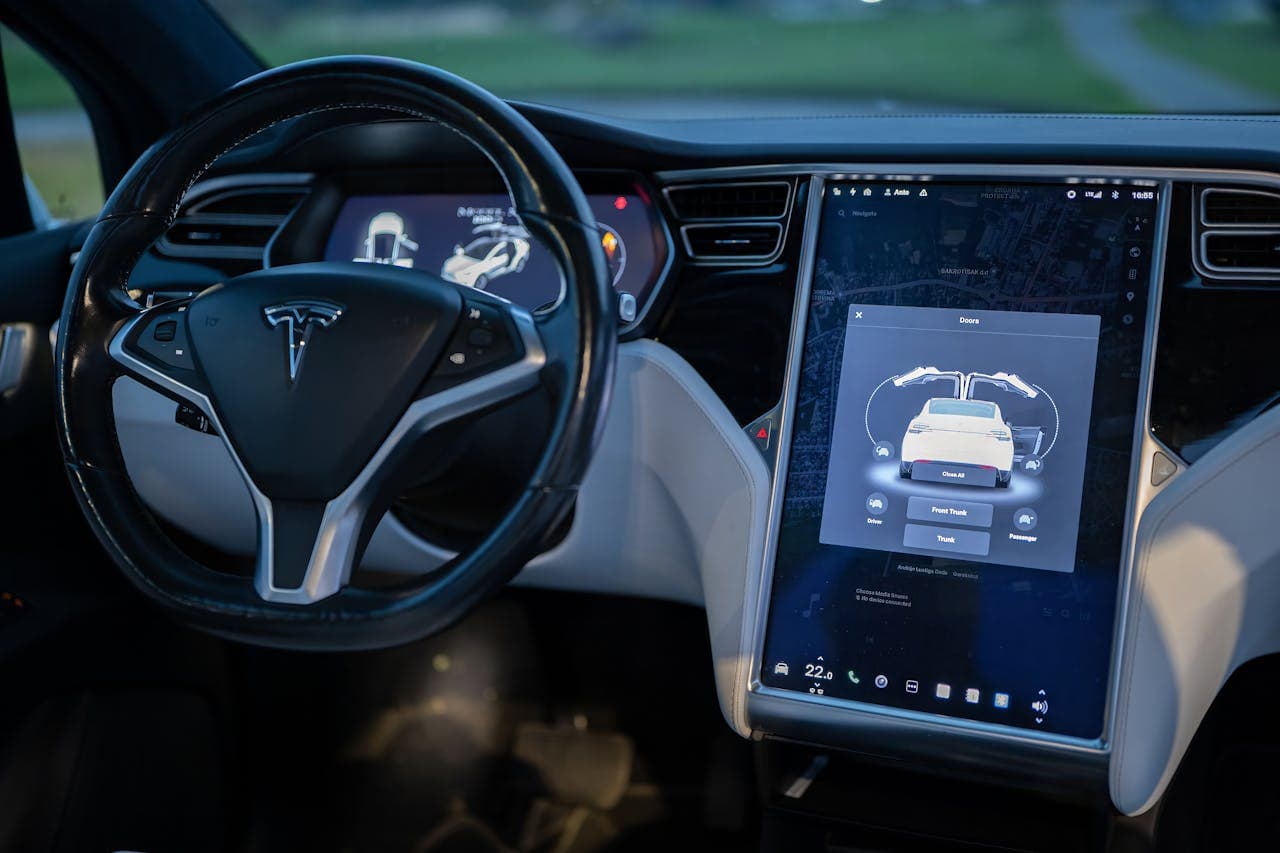
China Bans Hidden Electric Car Door Handles: What Tesla and EV Owners Need to Know
China becomes the first country to ban flush electric door handles on vehicles, citing safety concerns after fatal accidents. Learn how this groundbreaking regulation affects Tesla and other EV manufacturers, and what it means for global automotive safety standards.
Tesla Rolls Out FSD v14.2.2.4: What You Need to Know
Tesla continues to refine its Full Self-Driving (Supervised) software with the latest point release, FSD v14.2.2.4 (firmware version 2025.45.9). The update is currently expanding to users across the United States and Canada, marking another step forward in Tesla's autonomous driving capabilities.
Best Companies Offering Insurance Quotes Specifically for Electric Cars Like Tesla in 2026
Comprehensive guide to Tesla insurance costs and the best insurance companies for electric vehicles. Compare rates, understand how much is insurance for Tesla, and get accurate Tesla Model insurance quotes from top providers.