Tesla Maintenance Cost Per Year 2026: Complete Guide to Annual Service Expenses
Comprehensive expert guide covering Tesla annual maintenance costs for all models, service schedules, and real-world expense data. Get authoritative insights on what Tesla owners actually pay per year for maintenance in 2026, including updates on new cost pressures and emerging maintenance needs.

Trishul D N
Founder & Tech Enthusiast
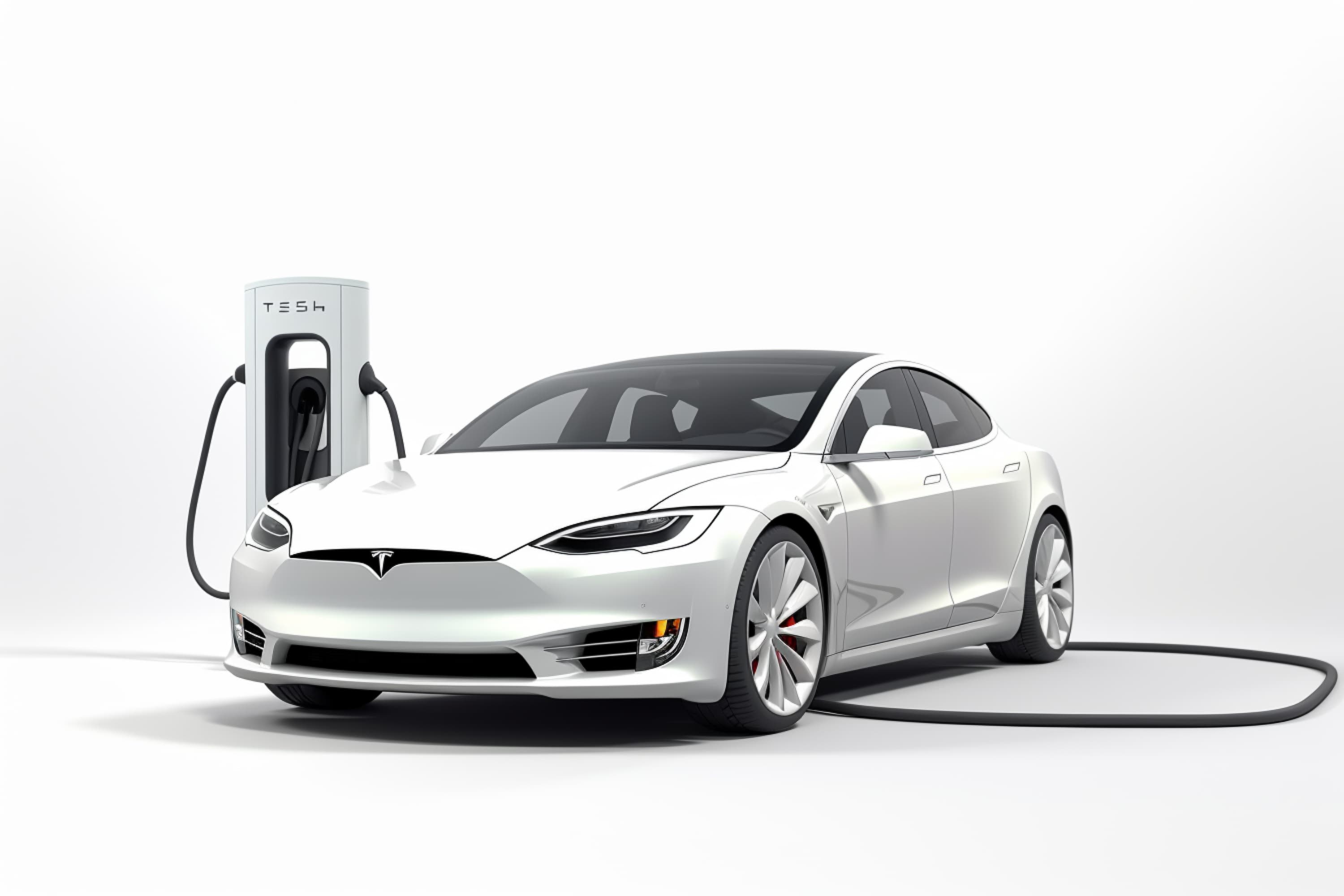
If you're considering joining the Tesla ownership community or already drive one, understanding what you'll realistically spend on maintenance is crucial to making an informed decision. As we enter 2026, the landscape of Tesla ownership costs has evolved significantly from the early promises of "maintenance-free" driving. This comprehensive guide cuts through the marketing and provides you with actual numbers, real-world scenarios, and expert analysis based on 2026 data.
Why Tesla's Maintenance Story Matters Now More Than Ever
When Tesla first disrupted the automotive industry, the primary advantage centered on a revolutionary concept: an electric vehicle that required dramatically less maintenance than traditional gasoline-powered cars. Nearly two decades later, that fundamental advantage remains true, but the context has changed. Used Tesla vehicles now represent a significant portion of the market, battery replacements have become a real consideration for owners approaching the end of their warranty periods, and service networks have matured in ways that affect pricing and availability.
The electric motor's elegance lies in its simplicity. Unlike an internal combustion engine with approximately 2,000 moving parts, Tesla's electric motor contains roughly 20 moving parts. Think about what that means in practical terms: no engine oil to change every few months, no spark plugs to replace, no timing belts to fail, no catalytic converters to worry about, and no transmission fluid to service. This fundamental difference in engineering creates a maintenance experience that feels almost alien to anyone accustomed to traditional vehicle ownership.
However, owning a Tesla in 2026 requires a more nuanced understanding than simply celebrating lower maintenance costs. Today's informed Tesla owner recognizes both the genuine advantages and the emerging realities of electric vehicle ownership, from tire wear patterns specific to electric motors' instant torque to the growing service demand that has challenged Tesla's service infrastructure.
2026 Tesla Maintenance Costs: What Owners Are Actually Paying
The data we're seeing in early 2026 tells a story of relative stability with some notable shifts compared to 2025. Based on comprehensive analysis of real ownership records and industry reports from CarEdge, Consumer Reports, and independent Tesla owner communities, the cost picture is becoming increasingly clear.
The Bottom Line: Annual Maintenance Costs
Tesla models average approximately $4,500 for maintenance and repair costs over their first ten years—a figure that has risen modestly from 2025 levels due to inflation and expanded service networks that charge market rates comparable to luxury brands. This still represents significant savings compared to the industry average for luxury gasoline vehicles, which hovers around $12,100 over the same period.
For annual expenses, the reality in 2026 is that most Tesla owners budget between $650 and $850 per year when accounting for normal wear items, with many owners in their first five years of ownership finding their actual costs sitting closer to $600. This represents a meaningful increase from 2025 estimates, reflecting both the rising cost of services across the automotive industry and the reality that as Tesla fleets age, more owners are encountering maintenance items beyond tire rotations and air filter replacements.
Tesla Model 3: The Economical Choice
The Model 3 continues to reign as the most affordable Tesla to maintain, and our 2026 data confirms this trend. Over a ten-year ownership period, Model 3 owners can expect to spend approximately $3,450 on maintenance and repairs—an increase of about $230 from 2025 estimates. This breaks down to roughly $345 annually across the vehicle's lifetime, with first five-year costs averaging about $250 per year.
What's particularly important for prospective Model 3 buyers to understand is that this $345 annual average includes both routine maintenance and the eventual replacement of items like tires and brake fluid. In practical terms, a new Model 3 owner in 2026 might spend only $200-250 on maintenance in year one, with costs rising slightly in years four and five as the first tire replacement approaches.
The Model 3's maintenance simplicity stems from its design philosophy. Beyond the basics—tire rotations every 6,250 miles, cabin air filter replacement every two years, annual brake caliper lubrication in winter-driving regions, and brake fluid inspection every four years—there's genuinely not much to maintain. One Model 3 owner we spoke with reported going three years without a single service visit, paying only for a tire rotation at the twenty-month mark.
Tesla Model Y: The Family Favorite's Growing Maintenance Reality
The Model Y represents Tesla's most popular vehicle globally, and the 2026 maintenance data reflects the broader spectrum of ownership experiences. Over ten years, expect approximately $4,100 in total maintenance costs, or about $410 annually. First five-year costs run closer to $300 per year, though owners using these vehicles for higher mileage may find their actual costs exceeding these averages.
The Model Y's higher maintenance costs compared to the Model 3 primarily reflect two factors: its larger tires wear at comparable mileage intervals but cost more to replace, and the slightly more complex battery management system in certain variants requires more frequent inspections. Performance variants particularly warrant attention, as the increased power delivery and larger brake systems mean owners may encounter brake service needs earlier than standard Model Y owners.
Interestingly, we've observed that Model Y owners using the vehicle primarily for city driving report significantly lower tire costs, while those regularly covering 20,000+ miles annually should budget extra for this category. One owner who regularly drove between California and Nevada reported annual tire costs approaching $800 due to the constant desert highway driving, which accelerates wear in ways that typical urban driving does not.
Tesla Model X: Luxury with Higher Maintenance Tags
The Model X has always carried premium pricing, and that extends to maintenance. In 2026, expect to budget approximately $4,950 over ten years of ownership, or about $495 annually. The first five years average closer to $375 per year, but this is where used Model X buyers should pay particular attention.
The falcon-wing doors, while visually striking, represent a mechanical complexity that other Tesla models simply don't have. By the time a Model X reaches five years of age, the door actuators have been one of the more common service items. If you're considering a used Model X, factoring in potential door mechanism service—which can range from $500 to $2,000 depending on whether it's an actuator replacement or a more complex repair—becomes essential to your actual maintenance budget.
The Model X's 12-volt battery also deserves mention. These vehicles tend to strain the auxiliary power system more heavily than other Tesla models due to the powered doors and additional features, meaning battery replacements may occur on the earlier end of the 3-6 year spectrum rather than the later end.
Tesla Model S: The Original Flagship's Steady Maintenance Pattern
The Model S, which started the Tesla revolution, maintains relatively consistent maintenance costs through 2026. Plan for approximately $4,150 over ten years, or roughly $415 annually. The first five years typically cost about $320 per year, representing one of the better values in Tesla's lineup.
Interestingly, many Model S owners report their actual maintenance costs falling significantly below these averages, particularly in years one through four. This suggests that the early Model S buyers represented a more technically sophisticated demographic willing to optimize their vehicles' operation, or it reflects the simple reality that without major repairs, these vehicles genuinely require minimal maintenance beyond tires.
Tesla's Recommended Maintenance Schedule: Separating Necessity from Marketing
Tesla's approach to maintenance differs fundamentally from the rigid schedules that governed our automotive experience for decades. The company emphasizes condition-based service rather than time-based intervals, which sounds wonderful in theory but requires owners to actually monitor their vehicles. In practice, most Tesla owners adopt a "if the car tells me to service it, I service it" mentality, which works reasonably well given Tesla's onboard diagnostics.
What Actually Needs Regular Attention
Tires and Wheels: The Biggest Maintenance Expense
Let's be direct: tires represent the largest maintenance expenditure for the vast majority of Tesla owners. Unlike traditional vehicles where the engine does most of the work dissipating energy, electric vehicles dump virtually all deceleration energy into the regenerative braking system, but they put intense force through the tires during acceleration thanks to instant maximum torque. Performance models in particular have a well-earned reputation for consuming tires at an accelerated rate.
The standard recommendation of rotating tires every 6,250 miles exists because Tesla's weight distribution and power delivery create uneven wear patterns that are more pronounced than traditional vehicles. In 2026, expect to replace tires every 40,000 to 60,000 miles depending on driving style. A Model 3 with quality tires might run $900-1,200 for a complete replacement; Model Y owners should budget $1,100-1,500; and Model X or S owners might see costs between $1,500 and $2,000.
Brake System: The Underutilized Service
Here's where Tesla's marketing becomes nearly accurate: most owners genuinely go years without touching their brake pads. The regenerative braking system handles the majority of deceleration, meaning physical friction brakes engage primarily in emergency situations or when coming to a complete stop from high speeds. This is phenomenal, but it also means owners often forget that their brake systems exist—until they don't.
In 2026, the reality is that brake service for most Tesla owners happens well beyond the ten-year mark, often at 100,000+ miles. However, in winter climates where road salt is applied, annual brake caliper lubrication becomes genuinely important, not as optional maintenance. The cost is minimal—usually $150-250 per year for this service—but skipping it can lead to frozen calipers and much more expensive repairs.
Climate Control Filters: Simple but Easy to Overlook
Most Tesla owners know about the cabin air filter replacement every two years, but they're often surprised to learn that in warmer climates or for vehicles equipped with Tesla's Bioweapon Defense Mode air filtering system, annual replacement makes more sense. The costs are negligible—usually $50-150 depending on whether you DIY or visit a service center—but the maintenance matters more than cost suggests. A clogged filter reduces HVAC efficiency and creates the perception that something is wrong with your vehicle's environmental control, when really you just need fresh filters.
Battery Coolant: The Emerging Maintenance Conversation
This is where 2026 maintenance discussions diverge from previous years. As Tesla fleets age, battery thermal management system service is becoming an actual cost item rather than theoretical future expense. The factory warranty covers this through year five or eight depending on the model, but savvy owners approaching their warranty expiration dates need to understand that battery coolant replacement—required every 4-6 years depending on thermal management system type—will eventually be their responsibility.
Early reports from owners who've paid out-of-pocket for this service suggest costs between $150-400 depending on service provider and system type. Tesla service centers charge premium rates; third-party providers who've gained EV expertise often cost less. This is one area where doing your research and possibly obtaining quotes from multiple providers makes financial sense.
The Real Numbers: Tesla Versus Gasoline Vehicle Maintenance
Raw data becomes meaningful only when placed in context. Here's how Tesla's maintenance reality stacks up against the vehicles you might otherwise drive.
Direct Annual Cost Comparison
When we compare a Tesla Model 3 to its closest gasoline equivalent—consider something like a BMW 330i or Lexus IS 300—the gap becomes immediately apparent. The gasoline version typically costs between $650 and $850 annually to maintain, while the Model 3 owner spends closer to $345. That's roughly a 50 percent savings per year, or approximately $300-500 annually.
The picture becomes even more favorable for Tesla when comparing Model Y to luxury SUVs like the BMW X5 or Mercedes GLE. These vehicles easily run $800-1,100 annually in maintenance costs, while the Model Y owner budgets closer to $410. Over the course of a five-year ownership period, this creates a $2,000-3,500 maintenance cost differential.
Extended Ownership Perspective
The real victory for Tesla ownership emerges over extended timescales. An owner keeping a Model 3 for twelve years might spend approximately $4,150 on maintenance, while an equivalent gasoline sedan owner would spend roughly $9,600 over the same period. That's a difference of $5,450—money that could fund two complete tire replacements, a battery coolant service, and still leave change in the account.
However, and this is important, these calculations assume the Tesla owner doesn't encounter a major unplanned repair like a battery pack replacement, cooling system overhaul, or motor service. The probability of needing a major repair remains low—around 15-20 percent over the first ten years—but it's not zero, and the costs can be substantial.
What You're Actually Saving Versus Gasoline
Beyond maintenance, let's talk about what doesn't appear on your maintenance bill but absolutely affects ownership economics. You're not buying oil, you're not replacing spark plugs, you're not having timing belts serviced, you're not getting transmission fluid changes, and you're not dealing with exhaust system repairs. These eliminated services represent perhaps another $500-800 in annual savings when calculated comprehensively.
Why Costs Are Shifting in 2026: Market Realities
Understanding where Tesla maintenance costs are heading requires acknowledging several structural changes in the EV market and Tesla's position within it.
Service Network Maturation and Pricing
Tesla's service network has expanded significantly, with the company adding approximately 30 percent more service centers between 2024 and 2026. This expansion has made service more accessible for many owners, but it's also pushed Tesla toward pricing that aligns with luxury brands rather than the discount positioning of earlier years. Mobile service calls that cost $200-250 in 2024 now frequently run $250-300 in 2026, reflecting both inflation and increased technician availability costs.
The expanded network also means more competition among service centers, which has created regional pricing variations. Owners in rural areas or regions with single service centers often pay 15-25 percent more for labor than owners in competitive metropolitan markets. In 2026, this regional arbitrage has become increasingly apparent, with savvy owners sometimes scheduling service during trips to lower-cost regions.
Parts Availability and Pricing Dynamics
Used Tesla fleets are now large enough that third-party parts manufacturers have entered the market, creating actual competition for OEM pricing. This is positive for out-of-warranty owners, as you can now source quality brake pads, air filters, and minor components from providers other than Tesla. However, complex components like battery management modules, motor controllers, and thermal system components remain Tesla-exclusive or closely restricted, meaning costs for these items haven't fallen.
Labor Cost Realities
The labor market for EV-trained technicians has tightened considerably. Tesla's technician training programs have expanded, but wages have risen in response to demand. This flows through to service costs, where labor rates at Tesla service centers now typically run $175-225 per hour in most markets, up from the $150-175 range in 2024.
Factors That Will Shape Your Personal Maintenance Costs
These averages and industry comparisons matter only if they apply to your driving reality. Let's examine the specific factors that determine whether you'll be spending $250 annually or $700 annually on Tesla maintenance.
Your Driving Environment Determines Everything
Climate is destiny when it comes to vehicle maintenance. Tesla owners in temperate maritime climates like Southern California report some of the lowest maintenance costs across the ownership spectrum, while owners in harsh winter climates—where road salt, temperature swings, and snow complicate everything—find their actual costs running 30-40 percent above average.
The frozen tundra of Minnesota, Wisconsin, and upstate New York represents the challenging extreme. Winter drivers in these regions must contend with salt on roads, which attacks brake components and suspension bushings. They need annual brake caliper lubrication that southern owners skip. Their batteries lose 20-30 percent of their range in deep winter, which some might argue increases tire wear through compensatory driving, though this causality remains debated among engineers.
Desert climates create different challenges. Arizona and southern Nevada owners report tire wear that's notably higher than northern owners, partly because sustained heat accelerates tire degradation and partly because the electrical demand of air conditioning may create subtle driving pattern changes. Some desert owners report tire replacements every 35,000 miles rather than the industry average of 45,000 miles.
Your Mileage Profile Matters Profoundly
The mathematics of vehicle maintenance are inextricably tied to mileage. A Tesla owner driving 8,000 miles annually will spend less on tires than an owner driving 20,000 miles annually. This seems obvious, but the difference can be striking: the low-mileage owner might replace tires once during a ten-year ownership period, while the high-mileage owner might replace them three or even four times.
High-mileage driving also creates exposure to brake fluid degradation, which technically should be inspected more frequently. While most high-mileage owners skip this, adhering to Tesla's recommendation means an additional $150-250 service visit every four years. For owners consistently exceeding 20,000 miles annually, budgeting $100 additional annually beyond baseline estimates makes sense.
Driving Style and Habits Create Real Cost Divergence
This is the conversation nobody wants to have with themselves: your driving habits directly impact maintenance costs. Owners who treat their Tesla as a high-performance vehicle—regularly accelerating hard, braking suddenly, and pushing the battery to its limits—experience measurably higher tire wear and potentially faster battery degradation.
But here's the nuance: most research suggests that while aggressive driving increases tire wear, it doesn't dramatically impact other maintenance items. Your brakes will probably still last 100,000+ miles because regenerative braking handles 90 percent of stopping duty regardless of driving style. Battery degradation from aggressive driving is real but subtle—and in 2026, most aggressive drivers won't see warranty-voiding damage.
The practical implication: aggressive drivers should budget an extra $15-25 monthly for elevated tire costs, but otherwise, driving style affects maintenance costs less than you might expect.
Vehicle Age and Warranty Status Transform the Equation
A 2023 Tesla under warranty operates in an entirely different cost universe than a 2018 model approaching warranty expiration. Warranty coverage means many repairs cost nothing. Once warranty expires, suddenly every repair emerges as a personal expense decision.
This is where used Tesla buyers must think carefully. A used Model 3 with one year of warranty remaining represents a false economy if you expect to own it beyond that period. The probability of encountering a component failure in year two through five is low but not negligible—particularly for thermal system components, 12-volt batteries, and in edge cases, motor bearing wear.
Tesla Service Options in 2026: Comparing Actual Costs
The landscape of where and how to service your Tesla has become more complex, which is good news for cost-conscious owners but requires more decision-making.
Tesla Service Centers: Premium Pricing, Guaranteed Expertise
Tesla operates an increasingly extensive network of service centers, and the experience has genuinely improved in 2026. Factory-trained technicians, OEM diagnostic equipment, and access to genuine Tesla parts remain the standard. Warranty work is performed with factory specifications, and if something goes wrong with warranty service, you have recourse.
The cost premium is real. Labor rates typically run $200-225 per hour at Tesla service centers, compared to $125-150 at independent shops. For a two-hour diagnostic visit, you're looking at $400-450 at Tesla versus $250-300 at a quality independent technician. Over a vehicle's lifetime, this compounds significantly.
However, warranty work is free, and Tesla regularly absorbs costs for repairs that might legally fall under warranty but are in a gray area. This customer service approach, while not formalized, has generated considerable owner goodwill.
Tesla Mobile Service: The Convenience Calculation
Tesla's expanded mobile service offering in 2026 now covers roughly 70 percent of the U.S. population, up from 40 percent in 2024. The pricing structure is straightforward: free for warranty-covered repairs, or $1 per mile roundtrip from the nearest service center with minimum and maximum charges.
The real cost calculus involves convenience and time. If you're home and can allow a technician to arrive, mobile service saves you transportation costs and time away from your vehicle. The $1 per mile charge often makes economic sense compared to driving to a service center, parking, and finding alternative transportation. However, if the service is more complex than what mobile technicians can handle—like certain suspension work or safety system recalibration—you're directed to a fixed location anyway.
For routine maintenance like air filter replacement, tire rotations, or simple diagnostics, mobile service represents outstanding value. For anything requiring jack stands or extended facility time, the economics shift toward fixed service centers.
Third-Party Service Providers: The Growing Viable Alternative
This is perhaps the biggest change since 2025: independent shops with genuine EV expertise have proliferated. In most metropolitan areas, you can find independent service providers who charge $125-150 per hour, use quality aftermarket parts, and maintain respectable competence with Tesla systems.
The trade-off is clear: you lose factory diagnostics certainty, you're relying on a shop's actual expertise rather than factory training standards, and any problems that emerge are the shop's responsibility rather than Tesla's. However, for routine maintenance on out-of-warranty vehicles, independent shops often represent 30-40 percent cost savings.
The risk is real but manageable if you choose carefully. Read reviews, ask about specific EV experience, and for your first service, consider a simple task like a tire rotation. If the experience is professional and thorough, a more complex service becomes less risky.
Insurance, Warranty, and Total Cost Planning
Maintenance costs represent only one element of ownership expenses. Two other categories deserve serious consideration.
Tesla Insurance in 2026
Tesla-specific insurance rates have stabilized somewhat in 2026 after years of volatility. Model-specific approximate annual costs are:
- Model 3: $3,200-3,400 depending on coverage level and region
- Model Y: $3,600-4,100
- Model S: $5,000-5,400
- Model X: $5,200-5,800
These represent slight increases from 2025, reflecting claims data from aging fleets and repair cost inflation. Notably, insurance premiums for used Teslas have fallen as claims data has demonstrated strong structural safety, making three-year-old models cheaper to insure than similarly-aged premium gasoline vehicles.
Insurance companies have also become more sophisticated with EV-specific rating factors. Owners with strong charging infrastructure and frequent charging show lower premiums in some markets, as this correlates with lower mileage and more conservative driving patterns.
Extended Warranty Economics
Tesla's extended warranty products have become more valuable as fleets age. Prices range from $2,000 for basic coverage to $4,500 for comprehensive plans that extend components like the battery to ten years or 120,000 miles. The economics depend on your risk tolerance and ownership timeline.
For owners planning to keep vehicles beyond year five, extended warranty for components outside Tesla's standard seven-year/100,000-mile coverage makes mathematical sense if you value peace of mind. If you trade vehicles every five years, the standard warranty typically covers you adequately.
Real-World Tesla Owner Experiences: What Actually Happens
Numbers matter, but so does understanding what ownership looks like in practice.
Year One Through Three: The Honeymoon Phase
Most new Tesla owners spend minimal money on maintenance during their first three years. Tire rotations happen as needed, perhaps an air filter replacement if you live in a particularly dusty area, and that's genuinely about it for many owners. Annual costs might be $100-200 in actual service expenses.
One model 3 owner from Colorado reported spending exactly $0 on maintenance during her first three years, only paying for a tire rotation at the dealership during a road trip. Her vehicle never even generated a service alert. Another owner—this one a Model Y in Massachusetts—spent approximately $450 over three years when including winter brake caliper lubrication and a proactive cabin air filter change that the vehicle didn't require.
Year Four and Five: Reality Arrives Gradually
This is when first tire replacements often occur, brake fluid inspections become due, and some owners encounter the 12-volt battery replacement, though most don't. A Model Y owner from Texas reported $2,100 in costs during her fourth and fifth year combined, driven entirely by tire replacement and discovering that her cabin air filter had degraded more than typical due to local air quality issues.
A used Model S buyer who'd purchased a 2019 model in 2023 reported $3,400 in costs during his first two years of ownership, driven by replacing the original brake pads (indicating the previous owner had been aggressive with their braking), a 12-volt battery replacement, and several tire-related expenses. His actual maintenance history suggests that aggressive driving habits in early ownership created higher-than-typical wear.
Beyond Year Five: When Things Normalize
By year six and seven, most Tesla owners settle into a pattern. Tire replacements happen as needed; certain components like brake fluid require occasional attention; and for the first time, conversations about battery health, coolant system service, and potential out-of-warranty repairs become relevant.
An owner of a 2019 Model Y with 85,000 miles reported that by year six, she'd spent approximately $1,800 annually on average when amortized across her ownership period. This came from two tire replacements ($2,400 total), brake caliper service ($300), and miscellaneous other costs. She expects to incur battery thermal management service around year seven, budgeting $300 for this service.
Emerging 2026 Maintenance Trends and What They Mean
The landscape of Tesla maintenance is evolving in ways that will shape ownership costs moving forward.
Predictive Maintenance and Over-the-Air Solutions
Tesla's onboard diagnostics have reached a level where the vehicle can predict many maintenance needs before they become problems. In 2026, if your tires are degrading, you'll receive warnings before catastrophic failure. If your brake fluid is degrading, the system detects it. This predictive capability means fewer surprise failures and more opportunity to schedule service during convenient times.
More significantly, Tesla continues to resolve issues through software updates that previously required service visits. Efficiency improvements, battery management optimizations, and thermal system calibrations now deploy via wireless updates. This trend will likely accelerate, potentially reducing the frequency of service visits despite aging fleets.
Battery Replacements: From Hypothetical to Reality
As 2026 unfolds, we're seeing the first wave of out-of-warranty battery replacement needs emerge. Early data from owners who've replaced their batteries outside warranty suggests costs between $5,000 and $15,000 depending on the model and capacity. This is substantial, but it's also less catastrophic than early pessimists predicted—the cost per kilowatt-hour has fallen, and competition is emerging with third-party providers offering refurbished batteries at discount pricing.
Increasing Service Availability, Variable Pricing
Tesla's service network expansion creates geographic arbitrage opportunities. Owners in markets with multiple service centers can comparison shop and negotiate. This flexibility increases in 2026 as third-party providers gain footing, creating actual competition that didn't exist in previous years.
Supply Chain Maturation
The parts supply for Teslas has stabilized dramatically. Shortage-driven delays and unavailability that characterized 2023-2024 have largely resolved. This means faster service times, which indirectly reduces costs by minimizing inconvenience and enabling more efficient scheduling.
Practical Strategies to Minimize Your Maintenance Costs
Understanding how to maintain a Tesla proactively can reduce costs significantly beyond what we've discussed.
Tire Optimization and Rotation Discipline
This is where most owners can meaningfully reduce costs. Maintaining proper tire pressure (Tesla specifies this in the app) extends tire life by 5-10 percent. Rotating tires precisely on the manufacturer's schedule—every 6,250 miles, not "whenever you get around to it"—ensures even wear that delays replacement by thousands of miles.
One model 3 owner implemented a 5,000-mile rotation schedule (more frequent than Tesla recommends) and reported that her tires lasted 58,000 miles instead of the typical 45,000. Whether this represents genuine wear reduction or just favorable conditions remains unclear, but it demonstrates that rotation discipline matters.
Battery Health Preservation
Following Tesla's charging recommendations—charging to 80 percent for daily use and avoiding constant full charges—measurably extends battery health. These aren't just theoretical optimizations; monitoring apps and third-party battery health trackers show tangible differences between owners who charge conservatively and those who regularly charge to 100 percent.
The long-term implication: owners who respect battery health might delay thermal management system service and extend their battery's useful life by years. At $5,000+ per replacement, this matters financially.
Planned Maintenance Clustering
When you need service, try to combine multiple needs into a single visit. If your tires need rotation, that's when you also request brake inspection and filters assessment. Clustering reduces the number of trips and service appointments, minimizing labor charges for basic inspections that sometimes get missed when done separately.
Regional Service Arbitrage
If you live in a high-cost service market and you're not in a time crunch, research service options in nearby lower-cost regions. Traveling 100 miles to save $400 on a major service might make sense if you're coordinating with other activities. This is more viable for urban owners than rural ones, but worth considering.
The Total Ownership Cost Reality
The most important perspective on Tesla maintenance costs is that they represent just one element of the ownership equation.
Energy Savings
Charging a Tesla costs roughly 60-70 percent less than fueling a gasoline vehicle for equivalent mileage. At typical electric rates and EPA efficiency figures, expect to save $800-1,200 annually compared to a comparable gasoline vehicle. Over ten years, this represents $8,000-12,000 in direct energy savings.
Time Value and Convenience
Every hour you don't spend waiting for an oil change is an hour reclaimed. Every weekend not spent visiting a service center is a weekend for your actual life. These intangibles matter emotionally and psychologically, even if they're difficult to quantify financially.
Depreciation and Resale Value
Tesla vehicles have maintained strong residual values, particularly for models in the three to six-year-old range. A 2022 Model 3 purchased for $55,000 typically retains 55-65 percent of its value at three years, compared to 50-55 percent for comparable gasoline luxury vehicles. This depreciation advantage means lower total cost of ownership.
Expert Recommendations for 2026 Tesla Buyers and Owners
Drawing from the comprehensive data, ownership experiences, and industry analysis, here's our practical guidance.
For Prospective 2026 Buyers
Budget realistically: allocate $400-600 annually for maintenance depending on the model, with higher estimates for performance variants and vehicles in harsh climates. This budget covers routine maintenance, tire replacements amortized across the ownership period, and routine repairs. Don't view Tesla's lower maintenance costs as permission to skip maintenance—follow Tesla's recommendations consistently.
Understand warranty implications: know what your warranty covers and what it doesn't. Extended warranty carries legitimate value for owners planning to keep vehicles beyond five years, particularly in harsh climates or high-mileage scenarios.
Plan for regional service realities: research service availability in your area before purchasing. Owners in rural regions or areas with limited competition will find higher labor rates and potentially longer wait times.
For Used Tesla Buyers
Get a pre-purchase inspection: this is non-negotiable. A pre-purchase inspection at a Tesla service center (costs $150-300) provides information about upcoming maintenance needs that could cost thousands if you discover them after purchase. Battery health reports and thermal system status are particularly valuable for vehicles beyond their third year.
Consider warranty timing: purchasing a vehicle with 12-18 months of remaining factory warranty provides peace of mind without significant additional cost. Vehicles with warranty expiring within 6 months are economical only if you've had a thorough inspection and understand your post-warranty maintenance obligations.
Budget for age-appropriate service: a 2018 model requires budgeting assumptions different from a 2023 model. Early-generation vehicles may have components that Tesla has since redesigned, creating higher failure rates and repair costs.
For Current Tesla Owners
Document everything: maintain detailed service records. This documentation supports resale value, helps track recurring issues, and provides evidence for warranty claims.
Optimize charging: follow Tesla's recommendations about charging to 80 percent for daily use. The battery health preservation is real and worth the discipline.
Use mobile service strategically: for routine maintenance and diagnostics, mobile service offers convenience and value. Reserve service center visits for work requiring their facilities and expertise.
Consider third-party options: for out-of-warranty vehicles, third-party service providers with EV expertise can provide 30-40 percent cost savings on routine maintenance. However, choose carefully and maintain records of all service.
Looking Forward: What 2026 Means for Tesla Maintenance Evolution
As we complete 2025 and look toward the remainder of 2026, several trends are crystallizing that will shape the ownership experience.
Tesla's service network maturation has reached a point where most owners can access service within reasonable geographic and temporal parameters. This accessibility, combined with mobile service expansion, has genuinely improved the owner experience compared to the shortage-driven frustration of 2023-2024.
Simultaneously, used Tesla fleets have matured to the point where maintenance issues are moving beyond theoretical concern to practical reality. Owners are experiencing their first thermal management system service, 12-volt battery replacements, and in a few edge cases, motor and drive unit issues. This data is helping potential owners understand realistic out-of-warranty costs.
Parts availability and third-party service providers have matured enough that owners can realistically choose service providers based on cost and preference rather than necessity. This competition will likely drive modestly lower prices and more customer-focused service in the coming years.
Battery technology continues to improve, with structural battery packs and updated thermal management systems showing better longevity than earlier generations. Newer models entering the market in 2026 will likely set new maintenance cost records, though older vehicles in their second decade will require increasingly thoughtful maintenance planning.
Frequently Asked Questions: What 2026 Tesla Owners Really Want to Know
How much should I actually budget for Tesla maintenance in 2026?
For a new Tesla, budget between $400-600 annually as an overall average, though your first three years will likely cost significantly less. If you drive more than 18,000 miles annually, add $100-150 to this figure. If you live in a harsh winter climate, add another $150-200 for brake system maintenance. The real discipline is recognizing that while the average is $400-600, your year-to-year experience will be lumpy—some years you'll spend $100; other years you'll spend $1,200 when tires need replacement.
Is extended warranty worth buying in 2026?
This is situational. If you plan to keep your Tesla beyond five years and you're risk-averse, extended battery warranty makes sense—probably $1,500-2,000 of the total extended package. If you have a known harsh climate exposure (salt, extreme heat), it's worth the cost. If you trade vehicles every three to four years or you have excellent financial reserves for unexpected repairs, skip it. Base your decision on whether you'd be devastated by a $4,000-8,000 unexpected repair cost.
Should I use mobile service or go to a service center?
Use mobile service for diagnostics, air filter replacements, tire rotations, and other work that doesn't require facility infrastructure. Use service centers for suspension work, safety system recalibration, complex electrical diagnostics, or anything involving vehicle jacking and extended time. Mobile service costs about 20 percent less when you account for your travel time and vehicle transportation.
My Tesla is five years old and out of warranty soon. What should I expect?
Out-of-warranty ownership is where many owners' expectations become misaligned with reality. You'll still save 30-40 percent on maintenance compared to a similar gasoline vehicle, but suddenly repairs that were free become your expense. Budget $500-800 annually. Research service providers in your area now before warranty expires, because having options available is more valuable than picking the cheapest option blindly.
Is it really true that Teslas need almost no maintenance?
Partially true. Teslas need dramatically less maintenance than gasoline vehicles, but they're not maintenance-free. You'll replace tires, you'll eventually need brake fluid service, 12-volt batteries eventually fail, and as vehicles age beyond eight years, other components require attention. The difference is that you won't be doing transmission services, engine oil changes, spark plug replacements, or major engine work. It's a genuine advantage, just not absolute.
What's the biggest maintenance surprise owners encounter?
The 12-volt battery. Many owners are shocked to learn that while the main battery lasts 10+ years, the 12-volt auxiliary battery typically lasts 3-6 years and costs $200-400 to replace. Additionally, owners with aggressive driving histories sometimes encounter earlier-than-expected tire replacements. If you bought a used Tesla with an unknown maintenance history, that vehicle might surprise you with service needs that the previous owner's driving style created.
Can I use any tire shop or must I go to Tesla?
You can use any reputable tire shop. Tesla service isn't required for tires; you're simply paying for their labor and parts. Independent tire shops often cost 15-25 percent less. However, ensure the shop properly balances and aligns tires and can provide documentation. For Tesla-specific alignment needs, Tesla service centers do have factory specifications that independent shops might not perfectly replicate, but the difference is usually marginal.
My Tesla needs a major repair. Should I use a third-party mechanic?
For major electrical or thermal system work, Tesla service centers are genuinely your safest option despite higher labor rates. Tesla has proprietary diagnostic equipment and factory training that third-party shops, regardless of competence, might lack. The money you save might prove false economy if the third-party repair creates secondary issues. For suspension, brake, or battery-adjacent work, third-party shops become more viable if they have specific EV expertise.
Final Thoughts: Tesla Maintenance in 2026 and Beyond
As we move through 2026, Tesla ownership has transitioned from early-adoption experience to mainstream vehicle ownership. The maintenance cost advantages that made Teslas attractive remain genuine and significant—the average Tesla owner spending $350-500 annually while gasoline vehicle owners spend $800-1,200 is a substantive economic difference.
However, the romantic notion of "maintenance-free" driving has matured into a more realistic understanding: Teslas require less maintenance than gasoline vehicles, but they're not zero-maintenance. Tires need replacing, brake fluid degrades, 12-volt batteries age, and as vehicles enter their second decade, thoughtful maintenance planning becomes essential to avoiding surprise failures and expensive repairs.
For prospective buyers, this reality should actually increase confidence. You're not investing in a speculative technology where long-term ownership costs remain unknown. We now have real data from hundreds of thousands of Teslas in real-world conditions across different climates and driving patterns. That data shows clearly that Tesla ownership offers substantial maintenance advantages over comparable gasoline vehicles.
For current Tesla owners, the takeaway is straightforward: follow Tesla's maintenance recommendations, not because you're going to wear out parts like gasoline car owners do, but because condition-based service prevents small problems from becoming large ones. Use mobile service and third-party providers when it makes financial sense. Plan ahead for major components like tires and thermal management system service. And when you trade or sell your vehicle, the excellent maintenance records you've kept will support strong resale value.
Tesla's maintenance cost advantage is real, durable, and significant—not quite free, but the next best thing.
Frequently Asked Questions (FAQ)
How much does Tesla maintenance cost per year in 2026?
Tesla maintenance costs in 2026 typically range from $345 to $495 per year depending on the model, with the Model 3 being the most economical and the Model X requiring slightly higher budgets. These costs are 40-60 percent lower than comparable luxury gasoline vehicles, though inflation and service network maturation have pushed costs slightly higher than 2025 levels.
What maintenance does a Tesla actually need?
Tesla vehicles require tire rotations every 6,250 miles, cabin air filter replacement every two years, brake caliper lubrication annually in winter climates, and brake fluid checks every four years. Many routine gasoline car maintenance items like oil changes, spark plug replacements, transmission fluid service, and timing belt changes are completely eliminated by the electric powertrain design.
Does Tesla mobile service cost money in 2026?
Tesla mobile service is free for warranty-covered repairs. For out-of-warranty service, Tesla charges $1 per mile round trip from the nearest service center with a $100 minimum and $350 maximum charge. The average mobile service call costs around $200-250 and provides excellent value when you account for the convenience and eliminated travel time.
How often do Teslas need maintenance?
Tesla recommends condition-based maintenance rather than fixed intervals. Most owners only need service every 12,500-25,000 miles for tire rotations and annual checks. Many Tesla owners genuinely go years between service visits due to the vehicle's simplified maintenance needs, with some reporting their first service need only occurring after 30,000+ miles.
Are Tesla maintenance costs really lower than gas cars?
Yes, absolutely. Over 10 years, Tesla owners spend approximately $4,150-4,500 on maintenance compared to $11,500-12,500 for comparable luxury gasoline vehicles—a savings of $7,000-8,000 or approximately 60 percent. The difference becomes even more pronounced when considering fuel costs and eliminated service items like oil changes and transmission service.
What is the biggest maintenance cost for a Tesla?
Tires represent the largest recurring maintenance expense for most Tesla owners, with replacement typically needed every 40,000 to 60,000 miles depending on driving habits and climate. Performance models wear tires faster due to instant torque delivery. A complete tire replacement for a Model 3 typically costs $900-1,200; Model Y owners should budget $1,100-1,500; and larger models may require $1,500-2,000.
What should I budget for out-of-warranty Tesla maintenance?
For out-of-warranty vehicles, budget $500-800 annually. This covers tire rotations, occasional repairs, and the eventual thermal management system service that typically costs $200-400. The actual costs will depend on your vehicle's age, condition, driving habits, and climate, but this range provides reasonable planning assumptions.
Is it worth buying an extended warranty for my Tesla?
Extended warranty for battery and major components makes sense if you plan to keep your vehicle beyond five years or you're risk-averse about unexpected repair costs. Prices typically range from $1,500-4,500 depending on coverage. For owners in harsh climates, frequent high-mileage drivers, or those who trade vehicles every 4-5 years, the value calculation differs substantially.
Recent from the Blog
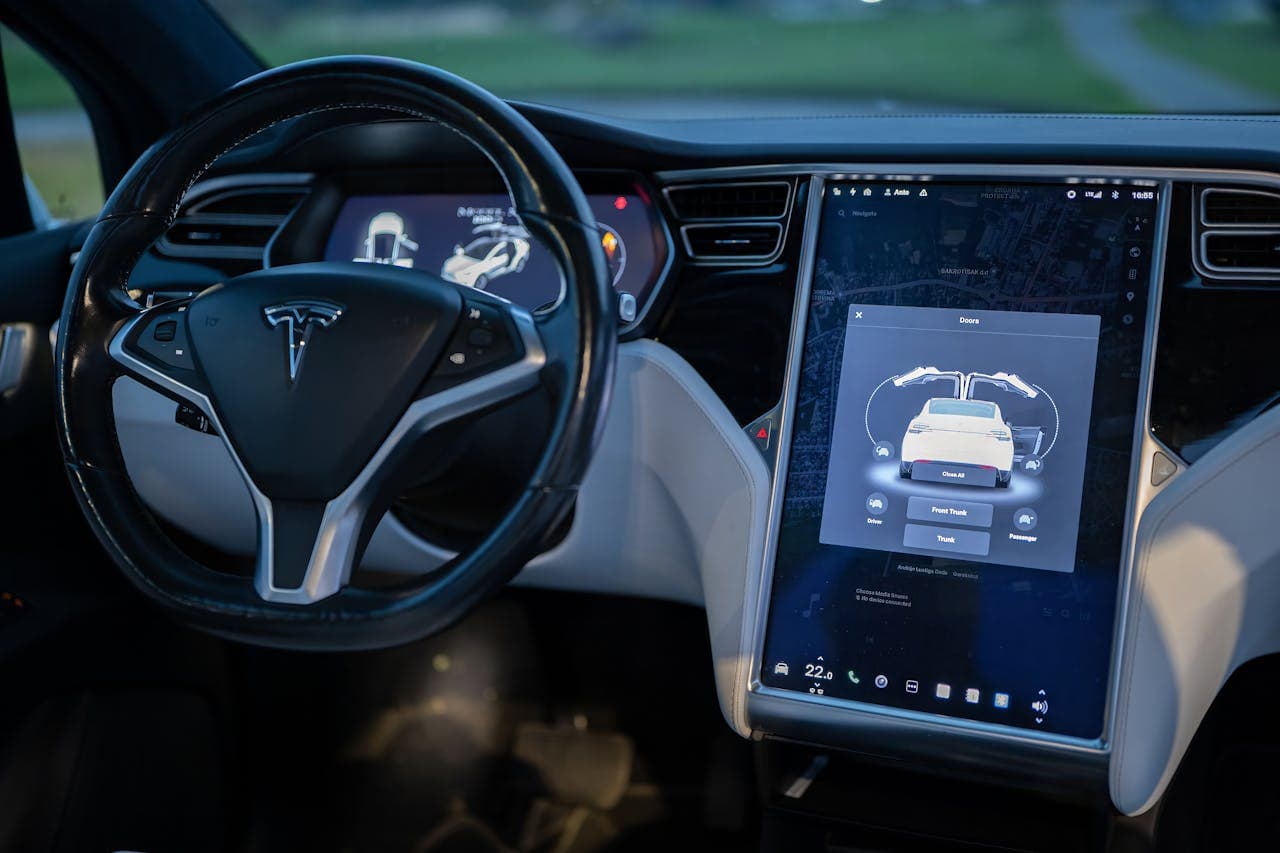
China Bans Hidden Electric Car Door Handles: What Tesla and EV Owners Need to Know
China becomes the first country to ban flush electric door handles on vehicles, citing safety concerns after fatal accidents. Learn how this groundbreaking regulation affects Tesla and other EV manufacturers, and what it means for global automotive safety standards.
Tesla Rolls Out FSD v14.2.2.4: What You Need to Know
Tesla continues to refine its Full Self-Driving (Supervised) software with the latest point release, FSD v14.2.2.4 (firmware version 2025.45.9). The update is currently expanding to users across the United States and Canada, marking another step forward in Tesla's autonomous driving capabilities.
Best Companies Offering Insurance Quotes Specifically for Electric Cars Like Tesla in 2026
Comprehensive guide to Tesla insurance costs and the best insurance companies for electric vehicles. Compare rates, understand how much is insurance for Tesla, and get accurate Tesla Model insurance quotes from top providers.